If you’ve been paying attention to pro bikes, bike fits, or even your local fast group ride, you’ve probably noticed a growing trend: shorter crank lengths.
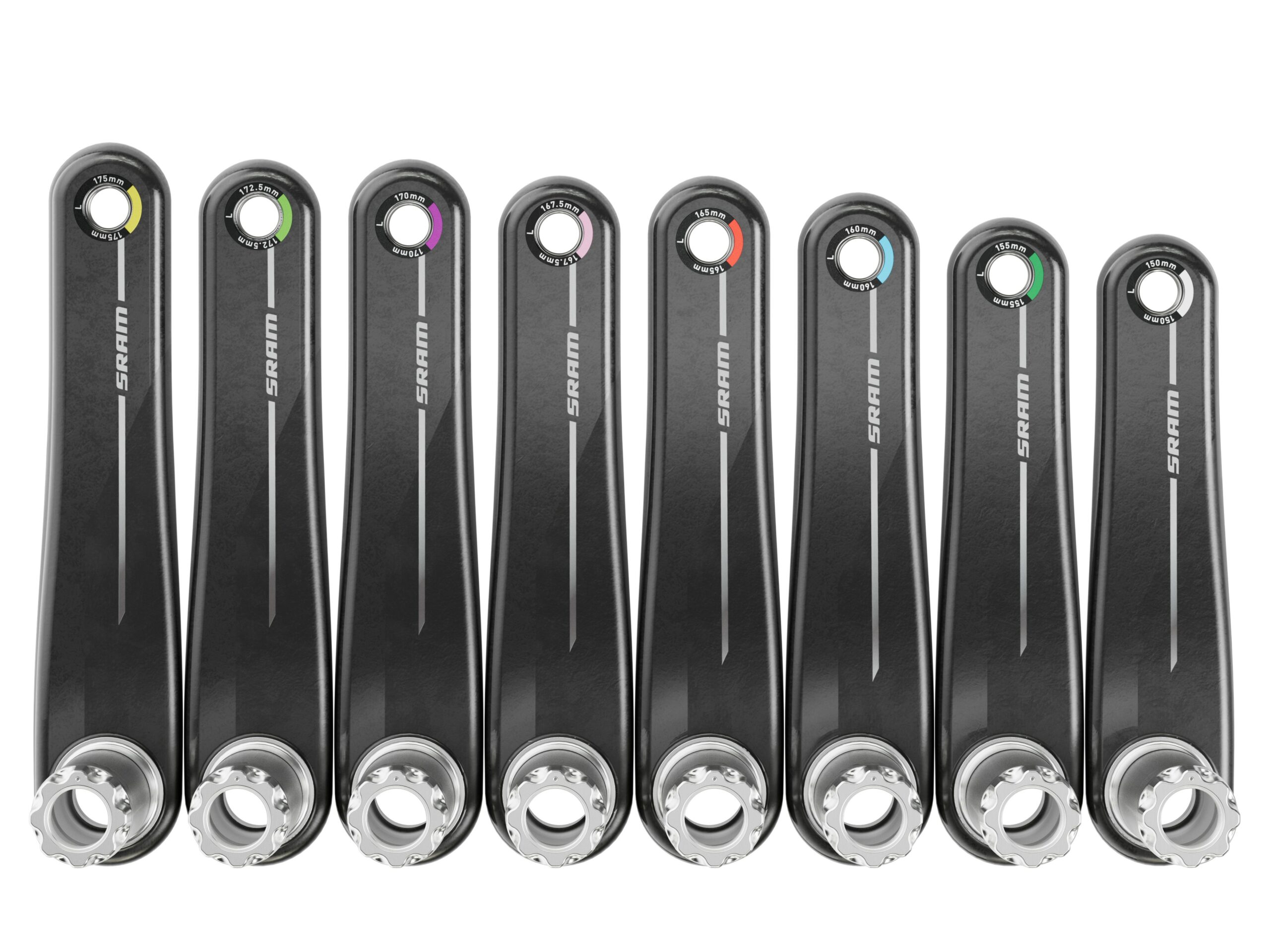
What used to be standard (172.5mm or 175mm) is quickly being replaced by 170mm, 165mm — and even shorter setups.
So why is this happening? And should you consider making the switch?
The Core Idea: Smaller Circles, More Efficiency
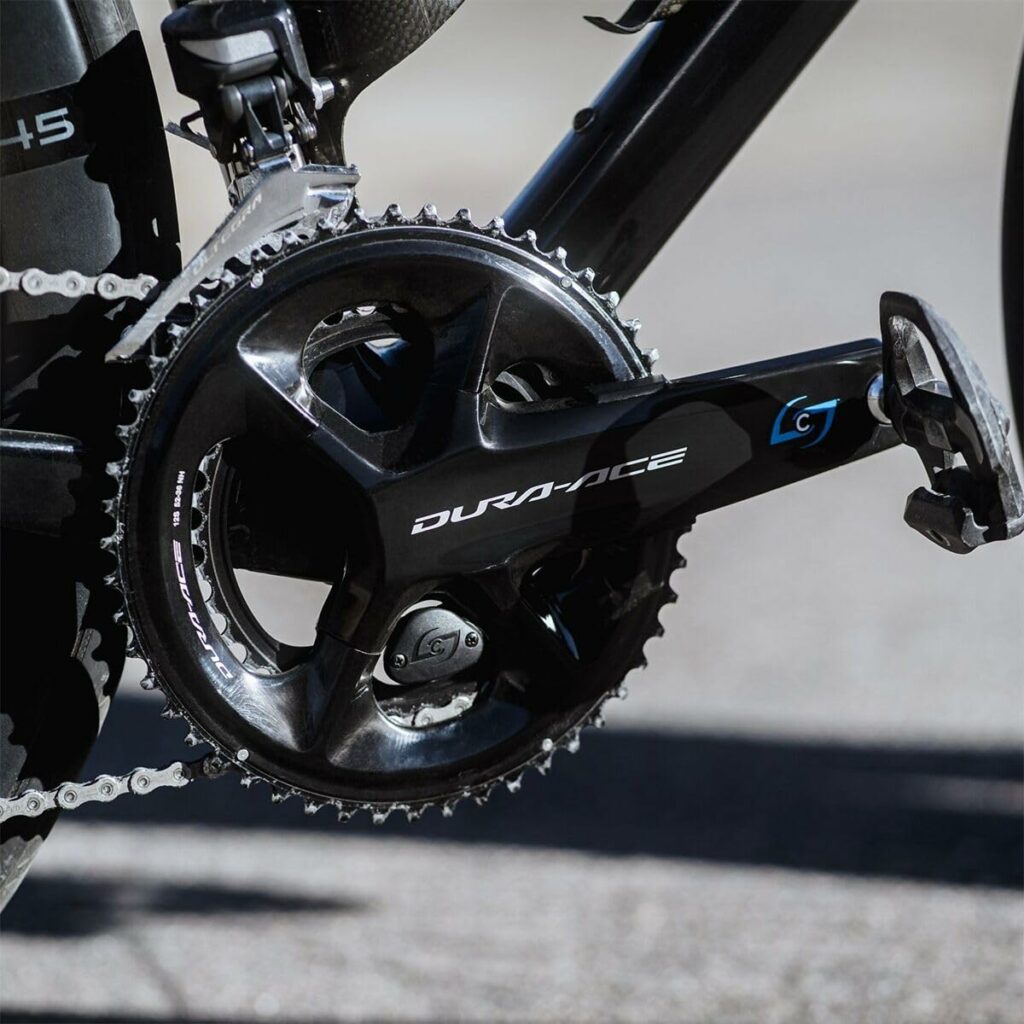
Crank length determines the size of the circle your pedals travel.
- Longer cranks = bigger circle
- Shorter cranks = smaller circle
A smaller circle means:
- Less joint movement
- Faster leg turnover (cadence)
- A more compact, efficient pedalling motion
It’s not about losing power — it’s about delivering power more efficiently.
1. Better Aerodynamics
One of the biggest reasons pros are moving to shorter cranks is aero gains.
Shorter cranks:
- Reduce how high your knee comes up at the top of the pedal stroke
- Allow for a lower, more aggressive position
- Open up your hip angle while staying low
The result: less drag without sacrificing power
This is especially important in modern racing, where aero gains often outweigh small power differences.
2. Improved Hip Angle & Comfort
With longer cranks, your hips close more at the top of the stroke — especially in aggressive riding positions.
Shorter cranks:
- Keep the hip angle more open
- Reduce compression at the top of the stroke
- Make it easier to sustain power in aero positions
This is why many riders report:
- Less hip discomfort
- Easier breathing
- More sustainable efforts
3. Higher Cadence, Smoother Pedalling
Shorter cranks naturally encourage a slightly higher cadence.
That leads to:
- Smoother power delivery
- Less muscular strain per pedal stroke
- Reduced fatigue over long rides
Think: spinning efficiently instead of grinding
This is one reason time trialists and triathletes adopted shorter cranks early — and road cycling is now catching up.
4. Reduced Joint Stress
A smaller pedalling circle means:
- Less knee flexion
- Less strain on hips and lower back
For many riders, especially those with previous injuries or mobility limits, this can be a game changer.
5. Minimal Downsides (For Most Riders)
The traditional argument for longer cranks was more leverage = more power.
But in reality:
- The power difference is very small
- Most riders adapt quickly
- Efficiency gains often outweigh any loss in leverage
For many cyclists, shorter cranks feel strange at first — but better after a few rides.
Why Pros Are Leading the Change
Modern racing is more aerodynamic than ever. Riders are:
- Running lower front ends
- Holding aggressive positions for longer
- Looking for marginal gains everywhere
Shorter cranks fit perfectly into that equation:
Better position + same power = more speed
Should You Switch to Shorter Cranks?
You’ll likely benefit if:
- You ride in an aggressive/aero position
- You struggle with hip or lower back tightness
- You prefer higher cadence riding
- You race, do TTs, or fast group rides
You might not need to if:
- You ride more casually or upright
- You’re already comfortable and injury-free
- You prefer low cadence / high torque riding
What Sizes Are Riders Moving To?
A rough trend:
- Traditional: 172.5–175mm
- Modern shift: 170mm → 165mm → even 160mm
There’s no one-size-fits-all — but the trend is clearly going shorter.
Final Thoughts
The move to shorter cranks isn’t just a trend — it’s part of a bigger shift in cycling toward efficiency and aerodynamics.
- Less joint strain
- Better body position
- More sustainable power
In short: it’s about riding faster with less restriction