What should you bring on a bike ride? Whether it’s a quick loop, a weekend training ride, or a long-distance event, having the right cycling gear can make the difference between a smooth ride and a frustrating breakdown. Here’s your complete, no-fluff guide on what to pack for every type of bike ride—from road cycling to mountain biking and beyond.
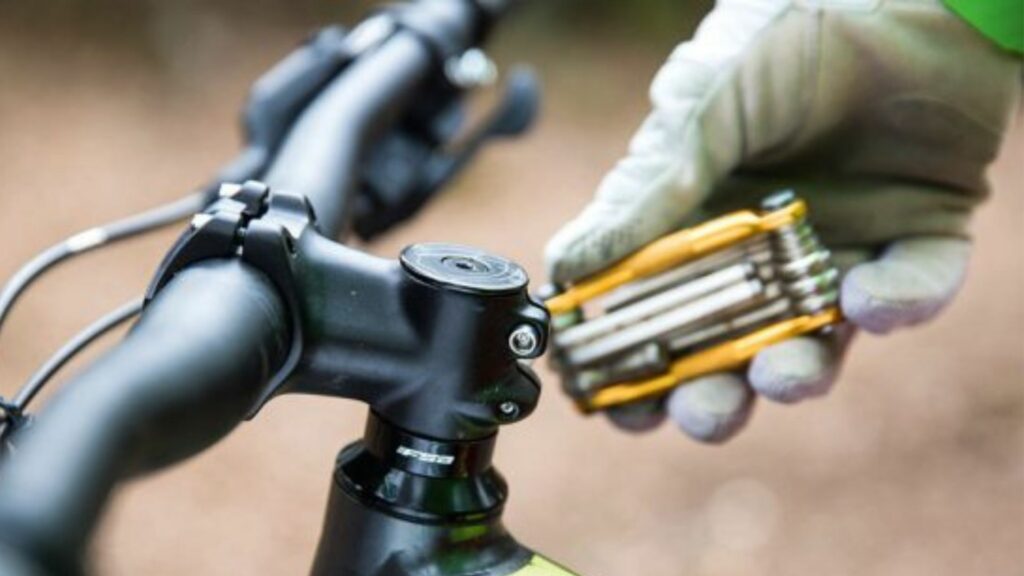
Essential Bike Tools to Carry on Every Ride
Mechanical issues like flats, chain drops, or loose bolts can happen anytime. These must-have tools will keep you rolling:
- Spare inner tube: Even for tubeless setups, carry a spare in case of sealant failure
- Mini pump or CO₂ inflator: Fast inflation for punctures—many riders bring both
- Tyre levers: Lightweight and vital for removing tight tyres
- Multi-tool: Includes Allen keys, screwdriver, Torx key, and ideally a chain breaker
- Quick link: Fix a snapped chain on the go in seconds
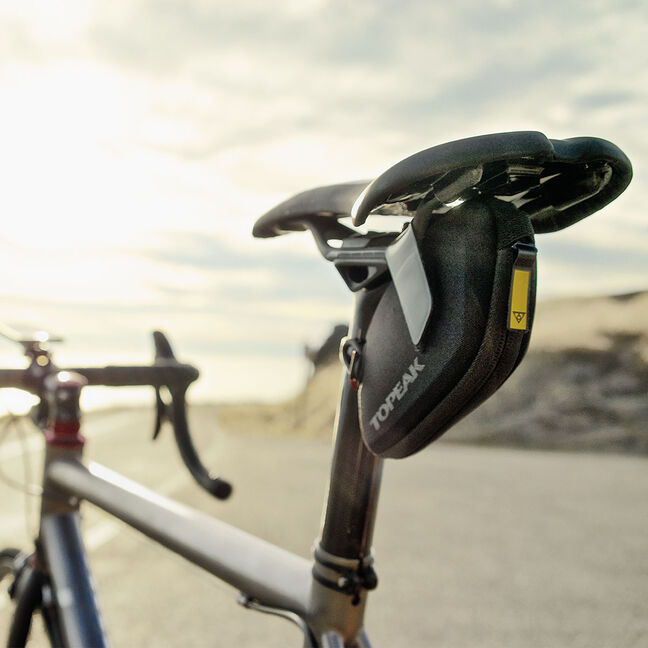
Pro Tip: Store tools in a saddle bag to keep jersey pockets free.
What Cyclists Need for Hydration & Nutrition
Fueling and hydrating properly will improve endurance and reduce fatigue—especially on rides longer than 60 minutes.
- Water bottles or hydration pack
– 2 bottles for road rides; hydration packs are ideal for gravel and MTB - Electrolyte tabs or drink mix for hot weather and sweat loss
- Energy bars, gels, or snacks
– Eat every 30–60 minutes during longer efforts
– Bananas, flapjacks, and trail mix work well too
Safety & Communication Essentials
Be prepared for emergencies, route changes, or the unexpected.
- Fully charged phone (GPS, Strava, Komoot, or for emergencies)
- ID & bank card or small cash
- Emergency contact info (stored in your wallet, phone lock screen, or as a wristband)
Medical ID is recommended if you have allergies or conditions.
Weather & Clothing Checklist
Weather can change fast—especially on longer rides or in the hills. Be ready:
- Packable waterproof or windproof jacket
- Gloves (for grip, control, and warmth)
- Sunglasses (protect from debris, UV rays, and wind)
- Layered kit (arm/leg warmers, gilet) for adjustable comfort
Where to Carry Your Cycling Essentials
Choose your storage setup based on your ride type and duration:
| Storage Option | Best For |
|---|---|
| Jersey pockets | Snacks, phone, pump, jacket |
| Saddle bag | Tools, tube, tyre levers, CO₂ cartridge |
| Top tube bag | Extra snacks, battery bank, multitool |
| Hydration pack | MTB, gravel, or long adventure rides |
What to Take on Different Types of Bike Rides
Road Cycling Essentials
- Tube, pump, levers, multitool
- Energy food and 2 water bottles
- Lightweight windproof jacket
- Phone, ID, bank card
Mountain Biking Checklist
- All road items +
- Tubeless repair kit
- Hydration backpack
- Mini first aid kit
- Emergency contact info
Long-Distance & Sportive Kit
- 2x spare tubes
- Extra food (bars + real food)
- Sunscreen and lip balm
- Chamois cream sachet
- USB charger or power bank
Final Thoughts: What Do You Really Need to Take on a Bike Ride?
Being prepared doesn’t mean overpacking—it means bringing only what you’ll actually use. With the essentials above, you’ll have the tools to handle flats, fuel your ride, adapt to the weather, and get home safely.
Every rider is different, so use this guide as a starting point and fine-tune it to your bike, route, and riding style.
FAQs: Bike Ride Packing Questions Answered
What should I always carry on a bike ride?
At minimum: spare tube, pump, multitool, snacks, water, phone, and ID.
How much water should I take cycling?
For rides under 90 minutes, 1–2 bottles. For longer rides or hot days, use a hydration pack or refill stops.
Do I need tools if I don’t ride far?
Yes. Even short rides can end in punctures. A small saddle bag with tools is always worth carrying.