A clean, well-lubed drivetrain keeps your bike running smoothly, shifting crisply, and lasting longer. Whether you ride MTB, gravel, or road, bike drivetrain maintenance is one of the most important habits to extend your bike’s life and improve performance.
In this guide, we’ll cover:
- ✅ What a bike drivetrain is
- ✅ Why drivetrain maintenance matters
- ✅ Step-by-step cleaning instructions
- ✅ How to lube your chain the right way
- ✅ Signs of wear to look for
- ✅ MTB vs road bike drivetrain care differences
What Is a Bike Drivetrain?
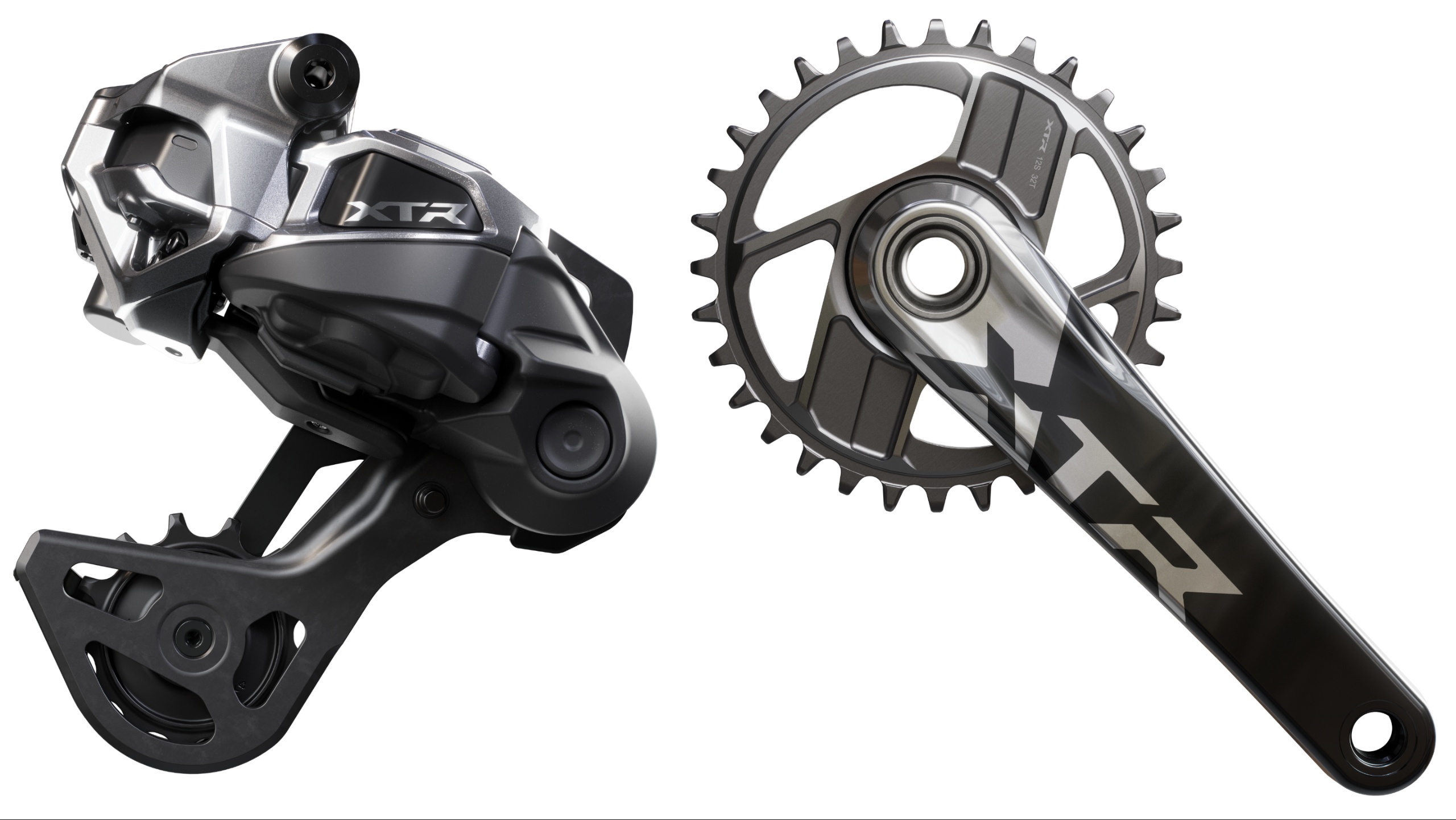
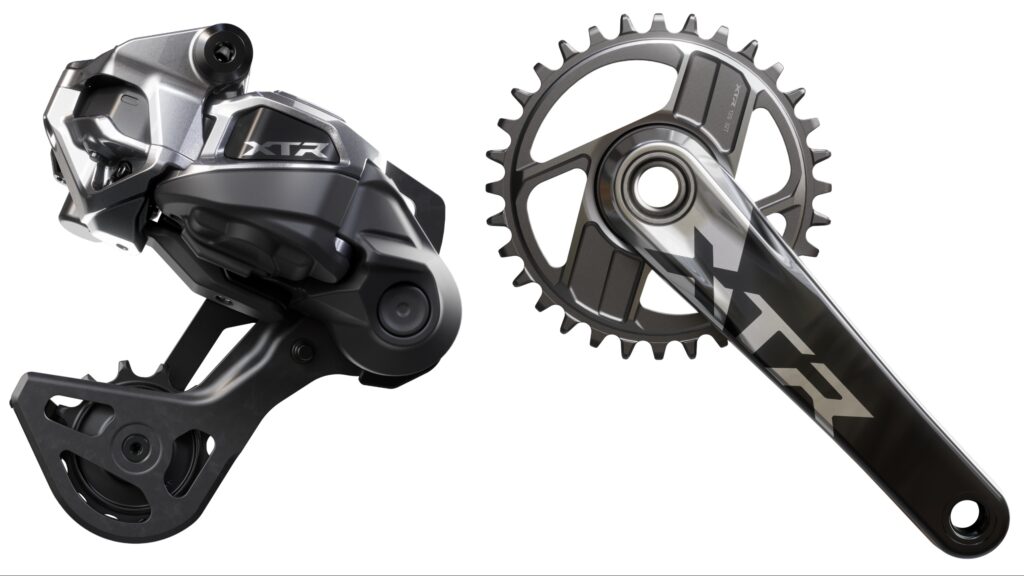
Your bike’s drivetrain transfers power from your pedals to your rear wheel. It includes:
- Chain
- Cassette (rear cogs)
- Chainrings (front cogs)
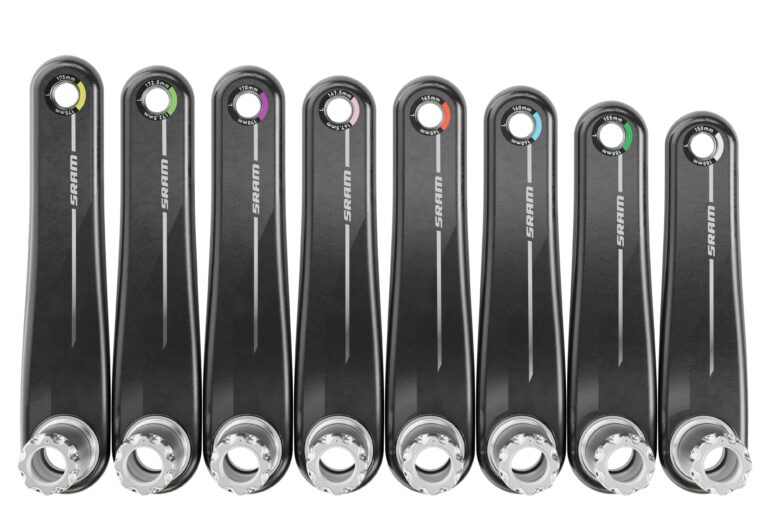
- Crankset
- Front & rear derailleurs
- Jockey wheels (pulley wheels)
When clean and well-lubricated, these parts deliver smooth shifting and efficient pedaling.
Why Drivetrain Maintenance Is So Important
Dirt, grit, and moisture wear down your drivetrain fast. Regular cleaning and lubrication:
- Extend the life of your chain, cassette, and chainrings
- Improve shifting performance
- Reduce drivetrain noise
- Prevent chain drops or skipping under load
- Save money by avoiding early part replacements
If you ride in muddy, wet, or dusty conditions—especially on a mountain bike—you’ll need to clean your drivetrain more often.
Step-by-Step: How to Clean Your Bike Drivetrain
1. Prep Your Bike
- Place your bike in a work stand or flip it upside down.
- Remove the wheels for easier access (optional but helpful).
2. Degrease the Drivetrain
- Spray a bike-specific degreaser on the chain, cassette, chainrings, and derailleurs.
- Let it sit for 2–3 minutes.
- ⚠️ Avoid harsh automotive degreasers—they can damage components.
MTB Tip: Pay extra attention to derailleur pulleys—they collect lots of mud.
3. Scrub the Components
- Use a chain scrubber tool or a stiff brush.
- Scrub the chain while rotating the cranks backward.
- Use a small brush or toothbrush to get between cassette cogs and around jockey wheels.
4. Rinse and Dry
- Rinse with clean water (not a pressure washer!).
- Wipe everything down with a clean rag.
- Let it air dry completely—or use compressed air for speed.
How to Lubricate Your Bike Chain Correctly
Applying lube correctly is essential for a quiet, efficient drivetrain.
1. Choose the Right Chain Lube:
| Lube Type | Best Use |
|---|---|
| Dry Lube | Dry, dusty roads or trails |
| Wet Lube | Wet, muddy, winter conditions |
| Ceramic/Wax | Low friction, long-lasting |
2. Apply Lube Like a Pro:
- Drip one drop per chain link while backpedaling slowly.
- Let it sit for 5–10 minutes to soak in.
- Wipe off all excess lube with a clean cloth.
Pro Tip: Too much lube attracts more dirt. Less is more—just don’t skip it.
How to Inspect Your Drivetrain for Wear
Regular checks help you catch problems early and avoid bigger issues down the line.
Chain Wear
- Use a chain checker tool.
- Replace at 0.5–0.75% wear (road) or up to 1% (MTB).
Cassette and Chainrings
- Look for teeth that appear hooked, sharp, or shark-finned.
- If a new chain skips under load, the cassette may be worn out.
Jockey Wheels
- Check for worn teeth or rough bearings.
- Clean regularly and replace if damaged.
Shifting Performance
- Slow or jumpy shifts? Check:
- Cable tension
- Derailleur hanger alignment
- Chain and cassette cleanliness
- Lube quality
MTB vs Road Bike Drivetrain Maintenance: What’s the Difference?
| Element | MTB Drivetrain | Road Bike Drivetrain |
|---|---|---|
| Cleaning | More frequent (mud, grit) | Lighter cleaning (dust/sweat) |
| Lubrication | Use wet lube in muddy areas | Dry or wax lube for cleaner feel |
| Wear Rate | Faster wear due to rough terrain | Slower, but still regular checks |
Final Thoughts: Keep Your Drivetrain Running Like New
Keeping your bike drivetrain clean and well-lubed is one of the easiest and most effective ways to ride faster, shift smoother, and spend less on parts. Whether you’re shredding trails or cruising tarmac, a few minutes of care after every few rides will pay off big.
Voice-ready Answer (For AEO):
“To maintain your bike drivetrain, clean it with a bike degreaser, scrub the chain and cassette, rinse with water, let it dry, and apply the appropriate chain lube. Inspect the chain, cassette, and jockey wheels regularly to catch wear early and ensure smooth shifting.”
FAQs – Bike Drivetrain Maintenance
Q: How often should I clean my bike drivetrain?
A: Every 100–150 miles for road bikes, or after any wet/muddy ride for MTB.
Q: How do I know if my chain is worn?
A: Use a chain checker tool—replace it at 0.5–0.75% wear for road bikes, 0.75–1% for MTB.
Q: Can I use WD-40 on my chain?
A: WD-40 is a cleaner, not a lubricant. Use bike-specific chain lubes for best results.
Q: What’s the best lube for wet weather?
A: A wet chain lube—formulated to resist water and mud, perfect for winter or mountain biking.
Q: Do I need to remove the chain to clean it?
A: Not always. With a good degreaser and brush or chain-cleaning tool, you can clean it in place.