Want to improve your mountain bike’s control, comfort, and performance? Proper suspension setup is the key. This guide explains exactly how to set sag, rebound, and compression for your fork and rear shock—no guesswork, no hype.
Why Is Suspension Setup Important on a Mountain Bike?
A poorly set up suspension can lead to:
- Harsh rides and hand fatigue
- Poor cornering and traction
- Bottom-outs on jumps or drops
- Reduced braking control
Correct suspension setup gives you:
- Better grip and trail feedback
- More efficient climbing and smoother descending
- Increased safety and confidence on technical terrain
What Tools Do You Need?
To set up your MTB suspension correctly, gather:
- Shock pump (specific for air forks/shocks)
- Measuring tape or ruler
- Bike-specific setup chart or manufacturer’s guide
- Notebook or phone (to record settings)
- A friend (optional, helpful for sag measurement)
Step 1: How to Set Sag (The Foundation of Setup)
What is sag?
Sag is the amount your suspension compresses under your body weight in a neutral riding position.
Recommended Sag:
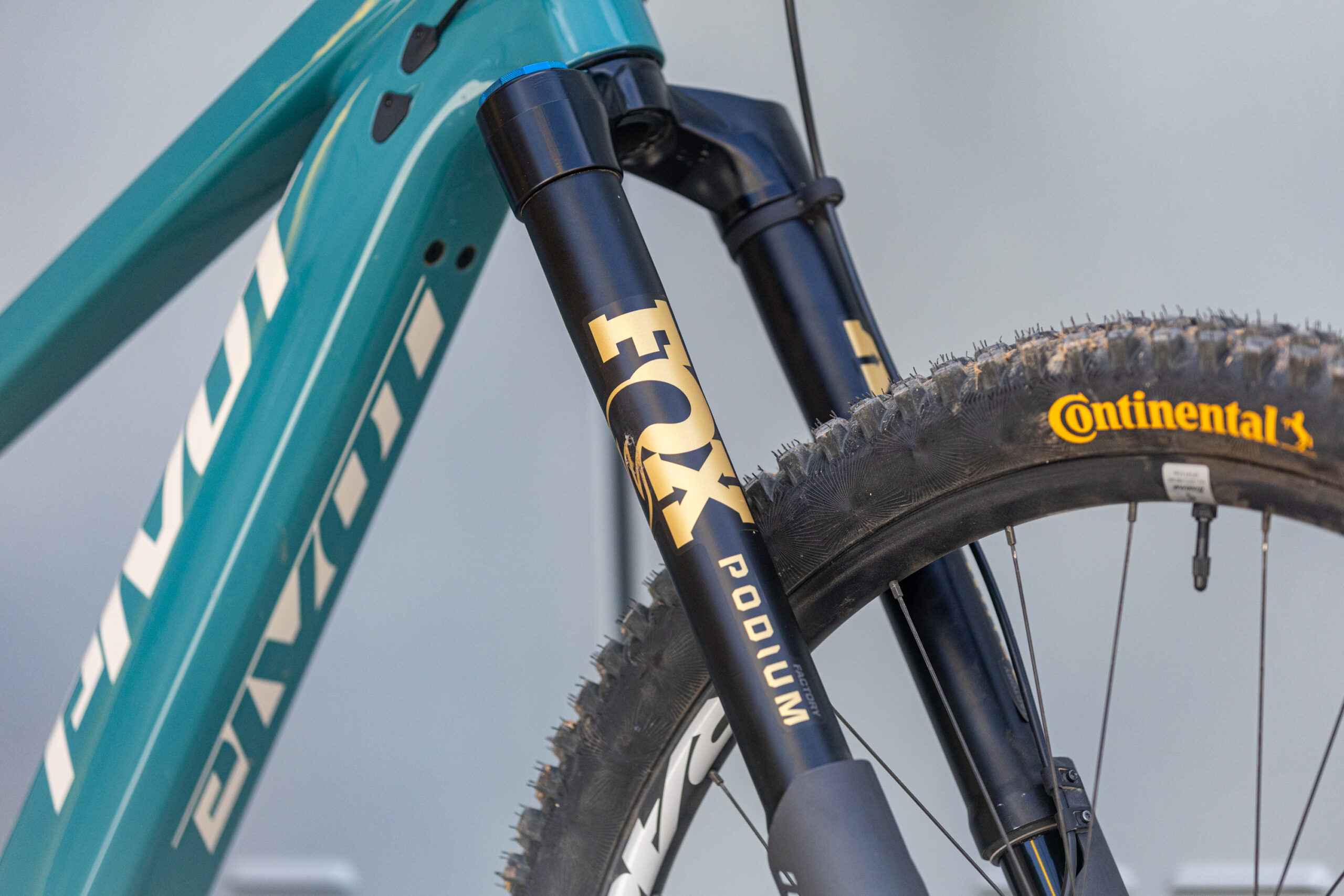
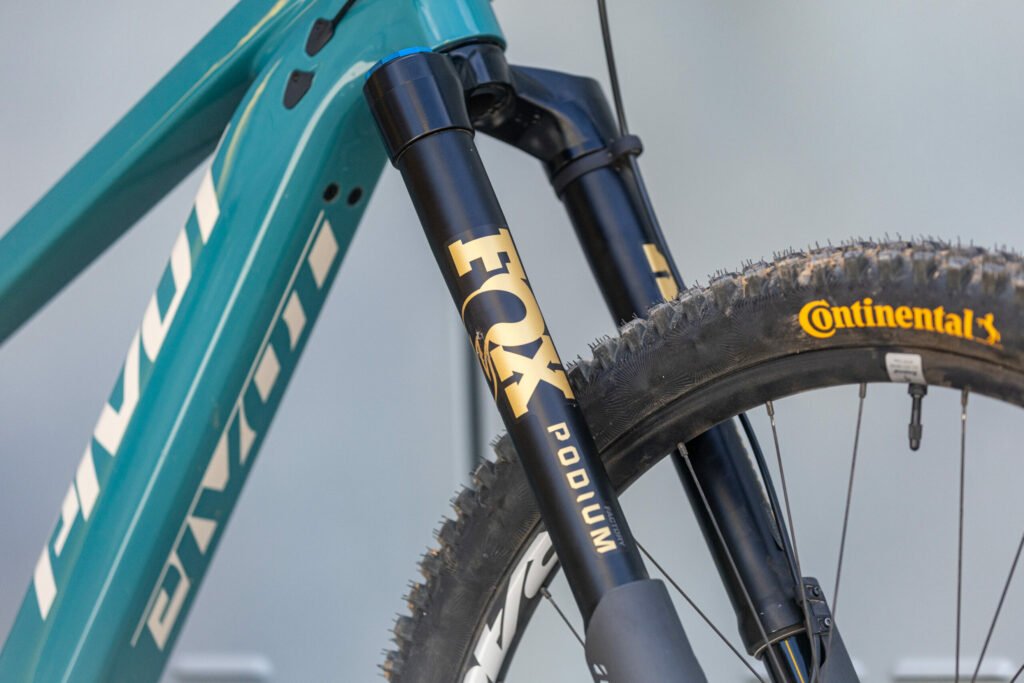
- Fork: 15–20% of total travel
- Shock: 25–30% of total travel
How to Set Sag:
- Wear full riding gear (especially a hydration pack if used).
- Stand on pedals in neutral position (not seated).
- Move the rubber o-ring (or zip tie) to the wiper seal.
- Carefully dismount without bouncing the suspension.
- Measure how much the o-ring moved.
- Adjust air pressure using a shock pump to hit your target sag.
Tip: Many forks and shocks include a sag chart—start there.
Step 2: How to Set Rebound Damping
What is rebound damping?
It controls how quickly the suspension returns after compressing.
🔧 Rebound Setup:
- Start in the middle of the rebound dial’s range.
- Ride a rough section of trail.
- Adjust based on feel:
- Too fast / bouncy? Slow rebound (turn knob clockwise).
- Too slow / packs down? Speed up rebound (turn counterclockwise).
Most forks use a turtle/rabbit icon—turtle = slower rebound, rabbit = faster.
Step 3: How to Adjust Compression Damping
What is compression damping?
It controls how the suspension compresses when hitting bumps.
Two Types (if available):
- Low-Speed Compression (LSC): Affects pedaling, cornering, and braking support.
- High-Speed Compression (HSC): Controls big hits like jumps or rock gardens.
Compression Setup Tips:
- Trail/XC: Keep LSC light for comfort and traction.
- Enduro/Downhill: Increase HSC to prevent harsh bottom-outs.
- Make small adjustments (1–2 clicks at a time). Test, then tweak.
Step 4: Fine-Tuning Suspension On the Trail
Once initial settings are done, ride your favorite trail and bring your shock pump to make small changes.
Signs You Need to Adjust:
| Symptom | Solution |
|---|---|
| Bottoms out easily | Add air or increase compression |
| Not using enough travel | Reduce pressure or open compression |
| Rear feels bouncy | Adjust rebound or check tire pressure |
| Fork dives on descents | Add LSC or increase fork pressure |
Keep notes as you test—each trail ride teaches you more about your setup.
Pro Suspension Setup Tips
- Log all settings in your phone or bike app for easy reference.
- Recheck sag after suspension service or temperature swings.
- Don’t forget tire pressure—it affects suspension feel.
- Reset baseline before each race or big ride weekend.
Final Thoughts: Suspension Setup Is Free Speed
You don’t need new components to ride better—just a dialed suspension. Learning how to properly set sag, rebound, and compression will:
- Boost control over rough terrain
- Reduce fatigue on long rides
- Help your bike climb better and descend smoother
Bottom Line: Set it up right, and you’ll ride faster, safer, and with more fun—no upgrades required.
MTB Suspension Setup FAQs
Q: How much sag should I run?
A: 15–20% for forks, 25–30% for shocks.
Q: What happens if my rebound is too fast?
A: The bike feels bouncy or unstable. Slow it down using the rebound dial.
Q: Do I need to adjust suspension for every ride?
A: Not always—but recheck after service, major temperature changes, or terrain switches.
Q: Should I set my fork and shock sag separately?
A: Yes. Measure and adjust each one independently based on its travel.
Q: Can tire pressure affect suspension performance?
A: Yes. Overinflated tires reduce compliance, making your suspension feel harsher.