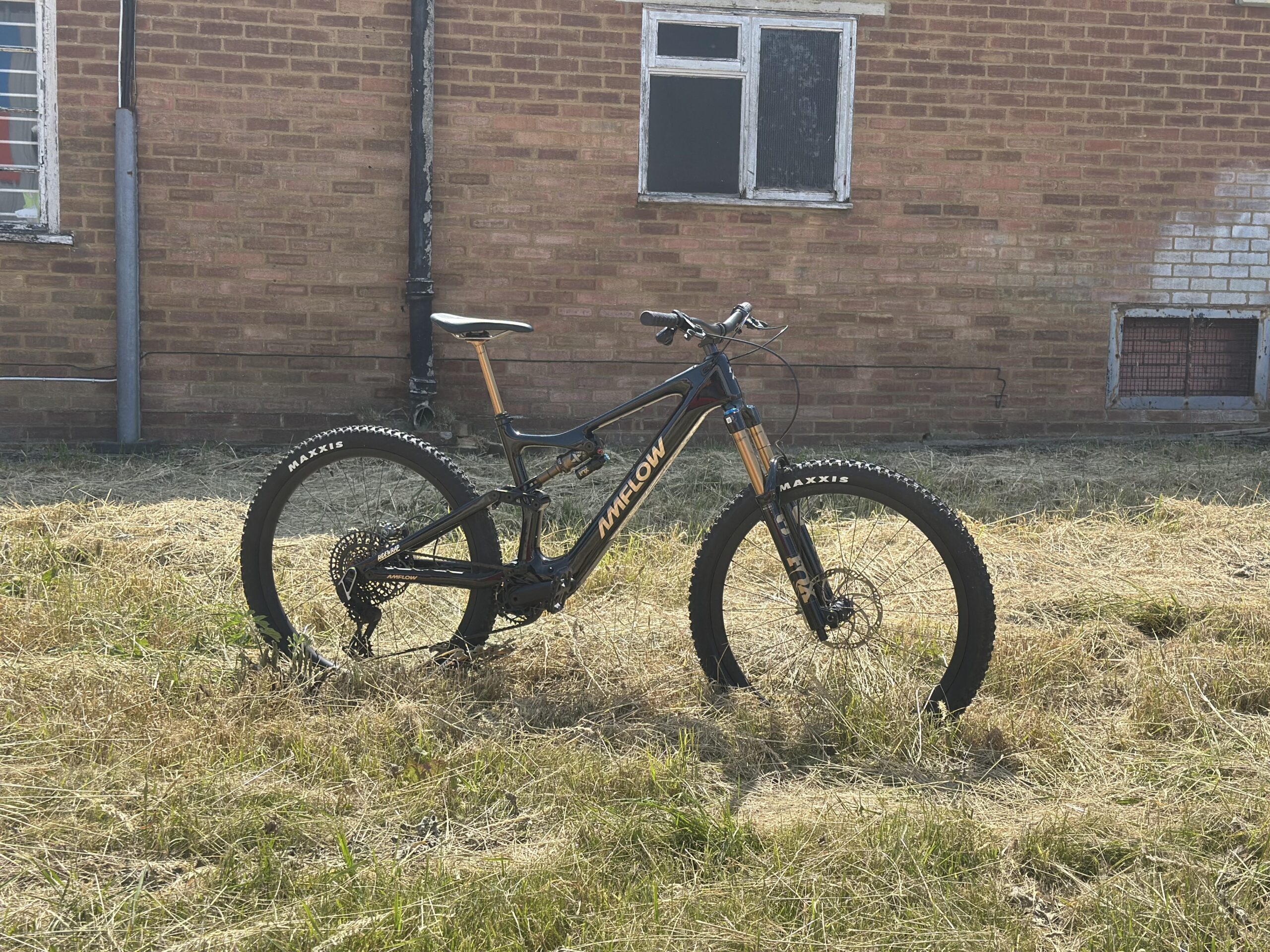
As summer rolls in and cycling season begins, it’s time to get your bike ready for the road, trail, or daily commute. Whether your bike has been tucked away in the garage or it’s seen a little winter use, giving it a thorough summer tune-up is essential. Proper bike maintenance improves performance, ensures safety, and helps prevent costly repairs down the line. Here’s how to get your bike in top shape for the warm months ahead. A bit of summer bike maintenance will ensure you can enjoy the weather to the fullest.
Clean Your Bike Thoroughly
The first step in getting your bike ready for summer is a deep clean. Dirt, dust, and old grease can build up over time, especially on components like the chain, cassette, and derailleurs. Use a bucket of warm soapy water, a sponge or soft brush, and gently clean the entire bike frame. Focus on the drivetrain, where grime tends to accumulate. A toothbrush or small detailing brush is great for getting into tight spots. Avoid using high-pressure hoses, as water can force its way into sensitive areas like wheel hubs and bottom brackets.
Inspect Tires and Inflate to Proper Pressure
Tire condition plays a big role in bike performance and safety. After months of sitting or riding through changing weather, tires can dry out, crack, or develop flat spots. Carefully inspect both tires for any damage, wear, or embedded debris. Then inflate them to the recommended PSI, which you can find printed on the tire sidewall. Proper tire pressure helps prevent flats and ensures a smoother ride. If your tires are more than a few seasons old or feel brittle, consider replacing them before logging serious summer miles. Deciding on what new tires to get can be difficult with so many options nowadays, if you’re struggling to decide, give the shop a ring or visit the link below to our website.
https://www.rmcycles.co.uk/tyres-and-tubes/instock
Check and Adjust Your Brakes
Reliable brakes are crucial for safe riding in any season. Begin by checking the brake pads, if they’re worn down or uneven, it’s time to replace them. Pull the brake levers and make sure they engage firmly without bottoming out against the handlebars. You should also examine the brake cables (or hydraulic lines, for disc brakes) for any signs of wear, rust, or fraying. If your bike has disc brakes, inspect the rotors for warping and ensure the calipers are aligned. A quick brake adjustment or cable tightening can dramatically improve your stopping power.
Lubricate the Chain and Drivetrain
A clean, well-lubricated chain is key to efficient pedaling and a longer-lasting drivetrain. Use a bike-specific degreaser to clean the chain, cassette, and derailleur pulleys. Once dry, apply a quality chain lubricant while turning the pedals backward, then wipe off any excess to avoid attracting dirt. While you’re at it, consider applying a little lubricant to pivot points, brake levers, and cable housings to keep everything moving smoothly. Regular chain maintenance will improve your bike’s performance and prevent unnecessary wear.
Test the Gears and Adjust Shifting
Shifting problems are one of the most common issues riders face after a long winter. Take a few minutes to run through all your gears, both front and rear, while turning the pedals. If the chain skips, hesitates, or makes grinding noises, you may need to fine-tune your derailleur settings. In some cases, a stretched chain or worn cassette could be to blame and might need replacing. Proper gear indexing ensures smoother rides and helps prevent mechanical issues during longer summer rides.
Tighten Bolts and Check for Wear
Before heading out, do a quick bolt check to ensure everything is secure. Common areas to check include the handlebar stem, seatpost, crank arms, and any attached accessories like bottle cages or racks. If you have a torque wrench, use it to avoid over-tightening, especially on carbon frames or components. This is also a good time to inspect the frame for any signs of cracks, dents, or other structural issues that might have developed unnoticed.
Take a Short Test Ride
Once you’ve completed your tune-up, take your bike for a short test ride around the block. Use this time to check that everything feels and sounds right. Are the brakes responsive? Does the bike shift smoothly? Are there any creaks or clunks coming from the pedals or wheels? This brief ride can reveal issues that might not be obvious during a static inspection and gives you a chance to make final adjustments before your first real outing.
Update Your Gear and Accessories
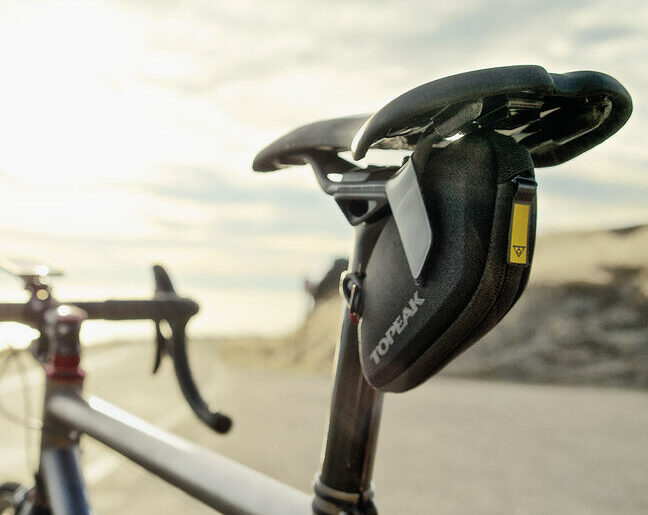
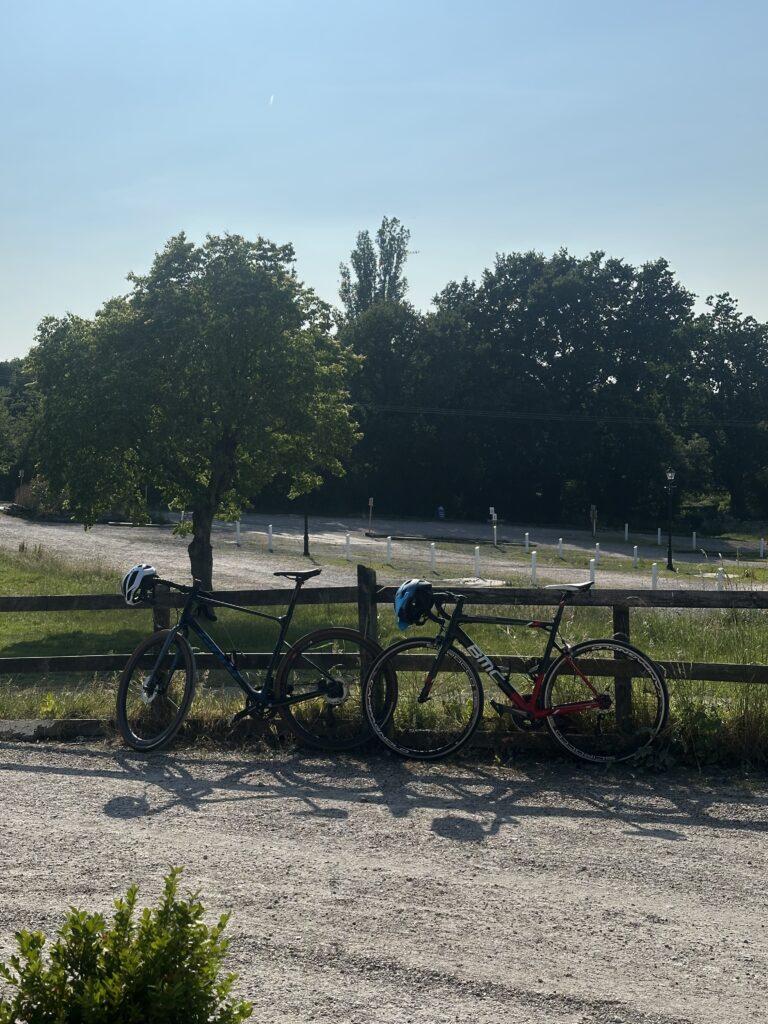
Summer cycling often means longer, sunnier rides, so it’s a great time to check your accessories. Make sure your helmet is still in good condition and fits properly, helmets should typically be replaced every five years. Ensure your lights are charged or batteries replaced, especially if you ride early in the morning or into the evening. Stock up on water bottles or hydration packs to stay cool and consider a saddlebag with essentials like a spare tube, tire levers, and a multi-tool in case of emergencies on the road. Assos, Castelli and more great brands can be found through the link below.
https://www.rmcycles.co.uk/clothing/male/instock/adult
Final Thoughts on Summer Bike Maintenance
Summer bike maintenance doesn’t require a full mechanic’s shop just a little time, some basic tools, and a willingness to get your hands a bit dirty. By following this seasonal bike maintenance checklist, you’ll set yourself up for a safer, smoother, and more enjoyable riding season. Whether you’re commuting, riding for fitness, or just out for fun, a well-tuned bike makes every mile better. So take the time now to tune up, gear up, and enjoy the ride, summer is calling.