If you’re considering a new bike and find yourself comparing road bikes and gravel bikes, you’re not alone. At first glance, the two categories can appear remarkably similar. Both feature drop handlebars, lightweight frames and efficient riding positions, yet they are designed with different riding experiences in mind.
The distinction goes far beyond tyre choice. Road and gravel bikes differ in their intended use, frame geometry, handling characteristics, component selection and overall versatility. To make matters even more interesting, neither category is defined by a single style of riding. Within road cycling, there are bikes optimised for racing and others built for long-distance comfort. Likewise, gravel bikes range from lightweight race machines to rugged adventure bikes capable of carrying camping equipment across multiple days.
Understanding these differences can help you choose a bike that matches not only where you ride today, but also where your cycling ambitions may take you in the future.

What is a Road Bike?
Road bikes are designed primarily for riding on smooth tarmac surfaces. Their focus is efficiency, speed and responsiveness, allowing riders to cover distances quickly while maintaining momentum with minimal effort.
Modern road bikes typically feature:
- Lightweight frames and components
- Narrow, fast-rolling tyres
- Aerodynamic riding positions
- Precise handling characteristics
- Efficient power transfer
Road cycling itself has evolved into several distinct categories, with two of the most popular being endurance road riding and race-focused road cycling.
Endurance Road Bikes
Endurance road bikes prioritise comfort without sacrificing efficiency. They are designed for riders who enjoy long days in the saddle, sportive events, weekend club rides and endurance challenges.
Compared to race bikes, endurance models feature a slightly more relaxed riding position. The geometry reduces strain on the neck, shoulders and lower back, making them ideal for cyclists who regularly spend several hours riding.
Typical characteristics include:
- Slightly taller front-end geometry
- Greater tyre clearance
- Stable handling
- Enhanced comfort over rough roads
- Reduced rider fatigue
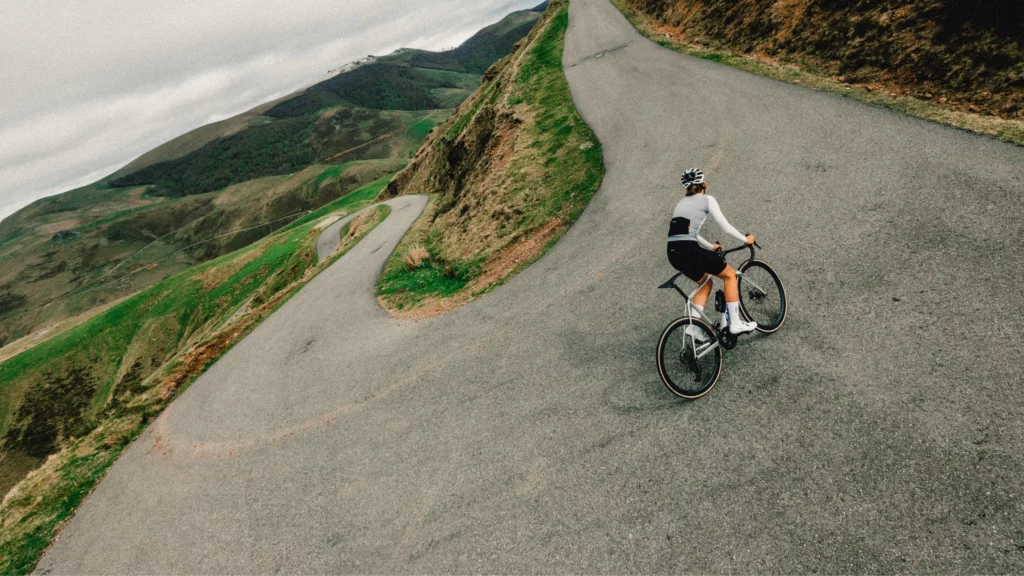
For riders exploring the rolling countryside of Kent, endurance bikes excel on routes such as the quiet roads surrounding the Kent Downs Area of Outstanding Natural Beauty. Popular rides through villages including Wye, Chilham, Elham and Lyminge offer beautiful scenery alongside varied terrain that rewards all-day comfort.
Bikes such as the Trek Domane and Orbea Orca, available through RM Cycles, are excellent examples of modern endurance road bikes. Both blend speed with comfort, allowing riders to tackle long mileage without feeling overly aggressive or demanding.
Race Road Bikes
Race road bikes are built with one objective: maximum performance.
These bikes feature aggressive geometry that positions riders lower and further forward to improve aerodynamics and power output. The handling is typically sharper and more responsive, making them ideal for competitive riding, fast group rides and challenging climbs.
Race road bikes generally offer:
- Aggressive riding positions
- Lower weight
- Faster acceleration
- Responsive steering
- Aerodynamic frame designs
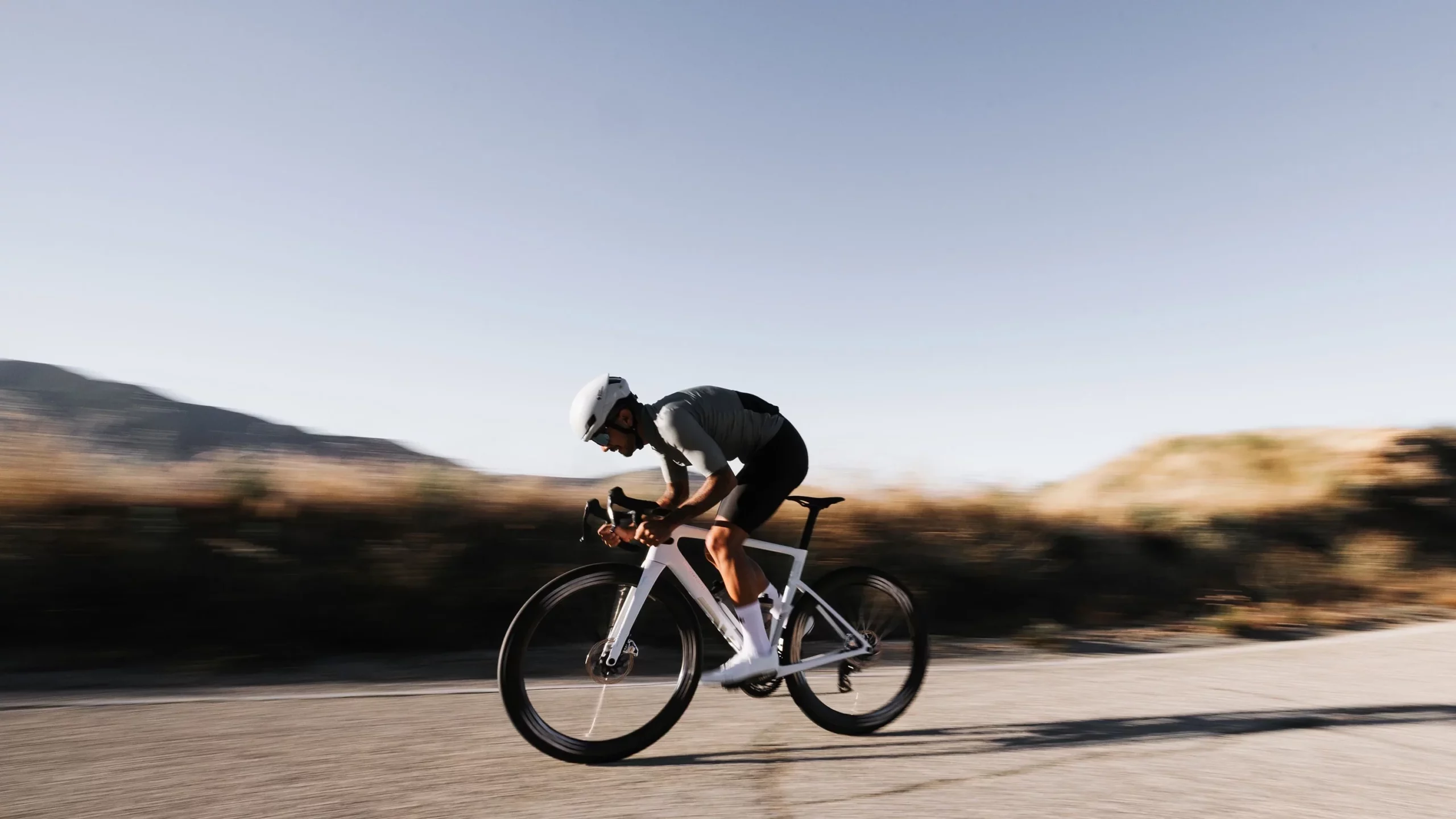
For cyclists targeting local racing, fast chain-gang sessions or personal bests on Kent’s famous climbs such as York’s Hill or Ide Hill, race bikes provide a noticeable performance advantage.
Examples available from us at RM Cycles include bikes such as the Trek Madone, Giant Propel and Enve Melee. These models are engineered to maximise efficiency and reward riders seeking outright speed.
What is a Gravel Bike?
Gravel bikes emerged as a solution for cyclists wanting to explore beyond paved roads without sacrificing the efficiency of a drop-bar bike.
Rather than being restricted to smooth tarmac, gravel bikes are designed to handle a wider variety of surfaces including:
- Gravel tracks
- Forestry roads
- Bridleways
- Canal paths
- Farm tracks
- Broken or poorly maintained roads
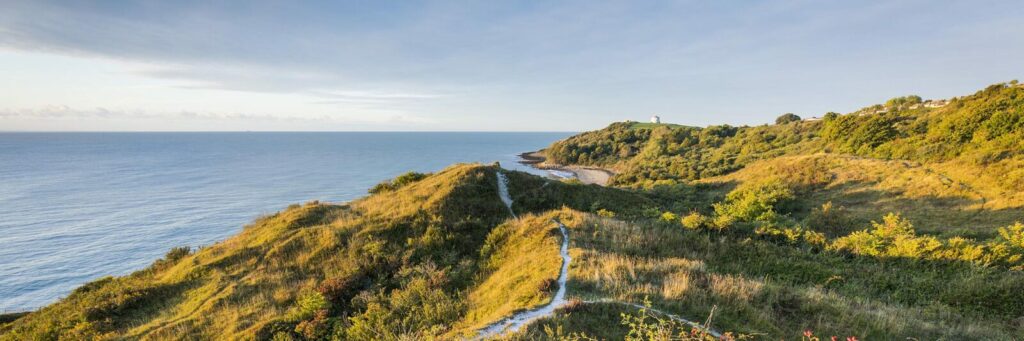
A gravel bike combines many characteristics of a road bike with the capability and confidence of a mountain bike.
Common features include:
- Wider tyres for improved grip and comfort
- Increased tyre clearance
- Stable geometry
- Disc brakes
- Additional mounting points for luggage and accessories
Within the gravel category, two distinct riding styles have become particularly popular: adventure gravel riding and gravel racing.
Adventure Gravel Riding and Bikepacking
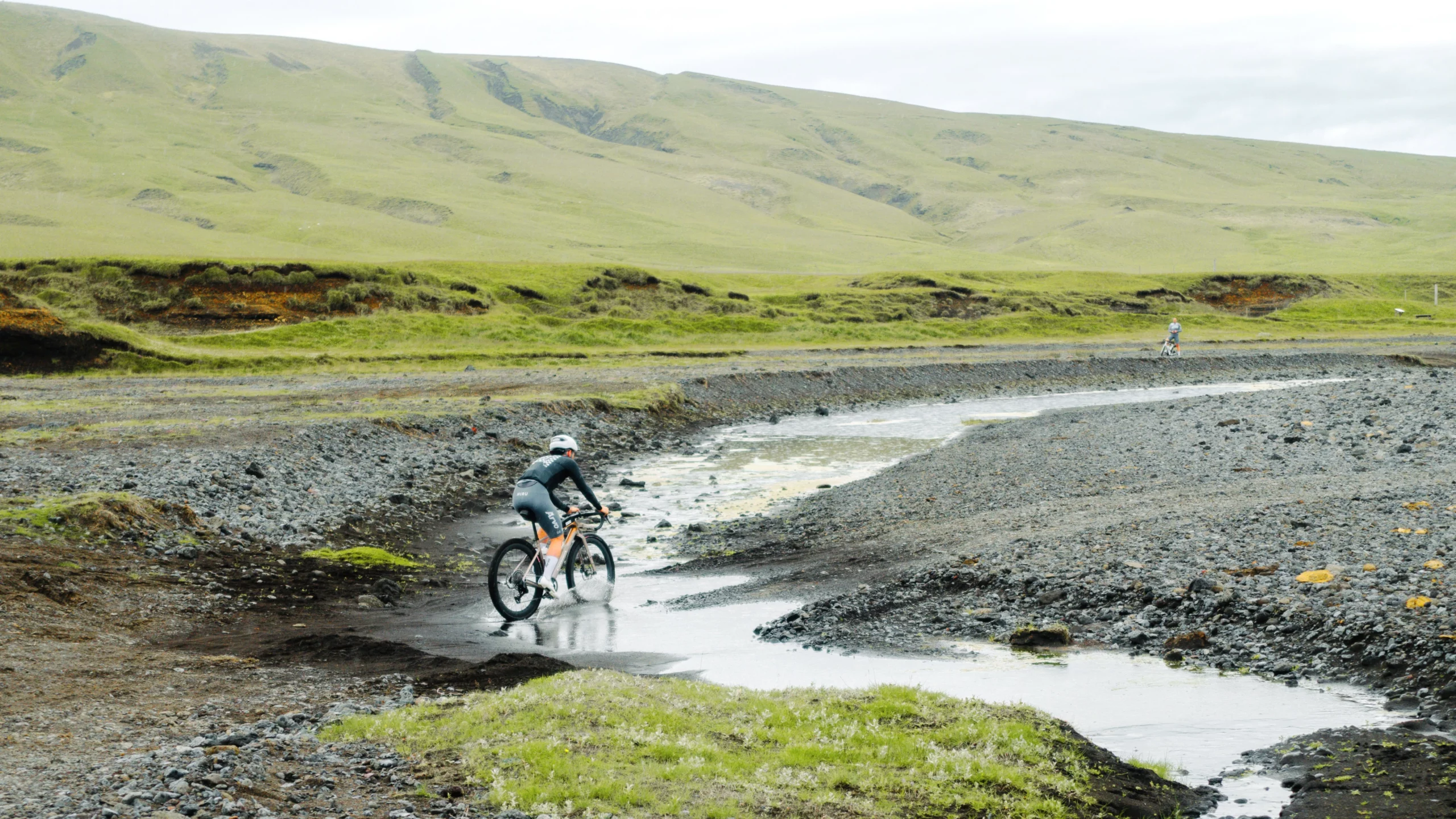
Adventure gravel riding focuses on exploration rather than speed. Riders often seek out remote trails, scenic countryside routes and multi-day journeys that combine cycling with camping.
This style of riding has fuelled the rapid growth of bikepacking, where cyclists carry lightweight luggage attached directly to the bike instead of using traditional panniers.
Adventure-focused gravel bikes typically feature:
- Relaxed geometry
- Large tyre clearance
- Multiple mounting points
- Excellent stability under load
- Long-distance comfort
Kent provides an outstanding environment for adventure gravel riding. Riders can connect sections of the North Downs Way, explore woodland trails around Bedgebury Forest, traverse quiet bridleways near Ashford or venture into the wider South East trail network linking Sussex and Surrey.
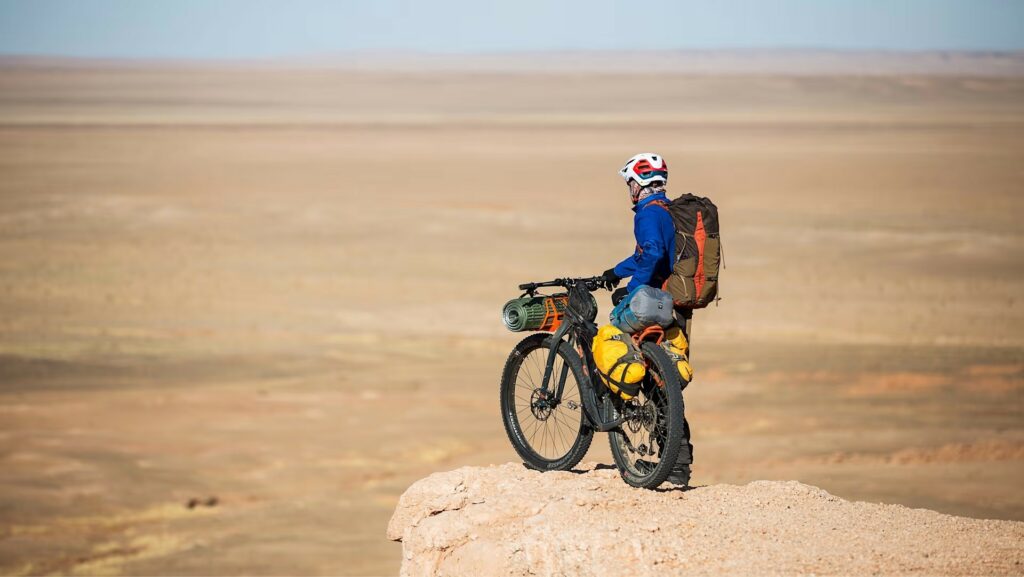
Popular adventure-oriented bikes available from RM Cycles include the Trek Checkpoint and Orbea Terra. These models are built to handle everything from day-long gravel explorations to fully loaded bikepacking expeditions.
The ability to leave the road and follow an interesting trail simply because it’s there is one of the biggest attractions of gravel cycling. For many riders, the journey becomes more important than the average speed.
Gravel Racing
While adventure riding focuses on exploration, gravel racing has become one of cycling’s fastest-growing competitive disciplines.
Gravel races combine long distances, mixed surfaces and endurance challenges. Riders may encounter gravel tracks, dirt roads, tarmac sectors and challenging terrain all within a single event.
As a result, gravel race bikes are typically:
- Lighter than adventure models
- More aerodynamic
- Faster handling
- Optimised for efficiency
- Designed for competitive endurance efforts
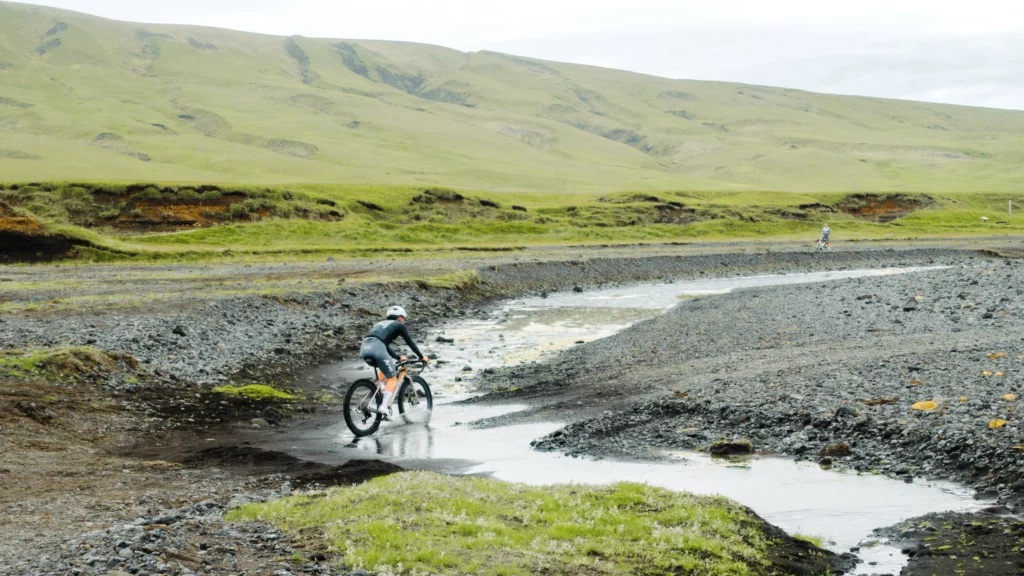
Gravel racing demands a unique balance between speed and control. Riders need enough comfort to remain efficient over many hours while maintaining the ability to respond quickly on changing terrain.
The race-oriented versions of bikes such as the Orbea Terra Race, Pinarello Grevil and Giant Revolt Advanced SL exemplify this approach, delivering impressive speed while retaining the versatility that defines gravel cycling.
Road Bike vs Gravel Bike: Key Differences
Although the lines between categories continue to blur, several important differences remain.
Geometry
Road bikes generally place riders in a more aggressive position to maximise efficiency and aerodynamics.
Gravel bikes adopt a more relaxed geometry, increasing stability and confidence on loose surfaces.
Tyres
Road bikes typically use tyres between 25mm and 32mm wide.
Gravel bikes commonly run tyres from 35mm to 50mm or wider, providing greater comfort, traction and puncture protection.
Terrain
Road bikes perform best on smooth paved surfaces.
Gravel bikes are designed to handle a wide variety of surfaces, including roads, gravel tracks and off-road trails.
Versatility
Gravel bikes offer greater versatility thanks to larger tyre clearance and luggage mounting options.
Road bikes remain the most efficient choice for riders whose cycling takes place primarily on tarmac.
Speed
On smooth roads, road bikes are generally faster and more efficient.
On mixed terrain, gravel bikes maintain momentum and comfort where a road bike would struggle.
Which Bike is Right for You?
The best choice depends entirely on how and where you intend to ride.
If your goal is fast road rides, sportives, club runs and road racing, a dedicated road bike will deliver the most rewarding experience.
If you’re drawn to exploring quiet lanes, bridleways, forestry tracks and long-distance adventures, a gravel bike offers significantly greater freedom and versatility.
Many riders in Kent find themselves uniquely positioned to enjoy both disciplines. The county’s extensive road network, rolling countryside and abundance of off-road trails mean there’s no shortage of opportunities regardless of which bike you choose.
Choosing between a road bike and a gravel bike isn’t simply a question of speed versus capability. It’s about identifying the type of riding experience that excites you most. Some cyclists enjoy chasing performance on smooth roads and measured training routes, while others are motivated by discovery, self-sufficiency and the ability to follow unexplored paths beyond the map.
Fortunately, modern bike design means there has never been a better time to find a machine tailored to your ambitions. Whether your next ride involves climbing Kent’s iconic road ascents or disappearing down a remote bridleway with overnight gear strapped to your frame, there is a bike purpose-built for the journey ahead.
If the idea of multi-day exploration and self-supported travel appeals to you, keep an eye out for our upcoming Guide to adventure cycling and bikepacking, where we’ll cover route planning, essential equipment and tips for making your first overnight cycling adventure a success.