The e-MTB market is entering a new “arms race” phase. Bigger numbers still matter (torque, peak watts, battery Wh), but the brands that win attention in 2026 will be the ones that combine strong motors + great ride feel + smart software + reliable dealer support.
The headline disruptor right now is DJI’s Avinox drive system—and it’s forcing the big players (Bosch, Yamaha, etc.) to move faster.
The big trends you’ll see everywhere
1) Lightweight full-power bikes become normal
For a while, you had to choose: light e-MTB or full-power bruiser. That line is blurring quickly thanks to more compact motors and better integration.
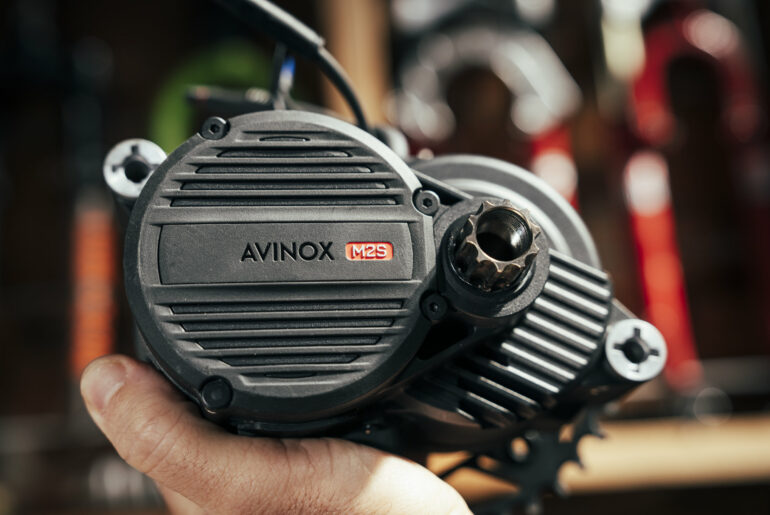
DJI’s Avinox is a big reason for this shift: multiple reviewers highlight its very high output in a compact, light package, which makes “full power without a tank-like build” feel more achievable. E-MOUNTAINBIKE Magazine+2BikeRadar+2
2) Software and “ride modes” matter as much as hardware
Expect more talk about:
- adaptive assist (“auto” modes that respond to rider input)
- traction and control tuning for steep tech climbs
- app ecosystems, navigation, security, battery management, sharing profiles
Bosch is leaning hard into this “smart system” approach with frequent feature drops via the Flow app and new ride-mode updates. bosch-ebike.com+1
3) Safety tech grows: ABS isn’t just for commuters
ABS is moving into performance categories and becoming more brake-brand compatible, which makes it easier for bike manufacturers to spec it on trail and e-MTB builds without awkward compromises. bosch-ebike.com+1
DJI Avinox: why it’s such a big deal
What the Avinox motor is (and why riders care)
The Avinox system is being talked about because of its combination of:
- up to 120Nm torque
- up to 1000W peak power
- very high support ratios
- compact weight/packaging (commonly reported around 2.52kg for the motor) BikeRadar+2E-MOUNTAINBIKE Magazine+2
In plain English: it’s not just strong on paper—reviews keep pointing to the idea that DJI is arriving with top-tier numbers plus impressive execution, which is rare for a first major entry into a new market. The Verge+1
Which manufacturers are expected to use DJI Avinox?
There’s a mix of confirmed/announced and “we’ve seen it publicly discussed by industry outlets” (which is about as close as e-bike “expected” gets without official brand press releases).
Brands publicly linked to Avinox builds (announced/covered by major outlets)
These brands have been widely reported as building e-MTBs (and in at least one case, a gravel e-bike) around Avinox:
- Amflow (DJI’s showcase bike brand) The Verge+2Cycling Electric+2
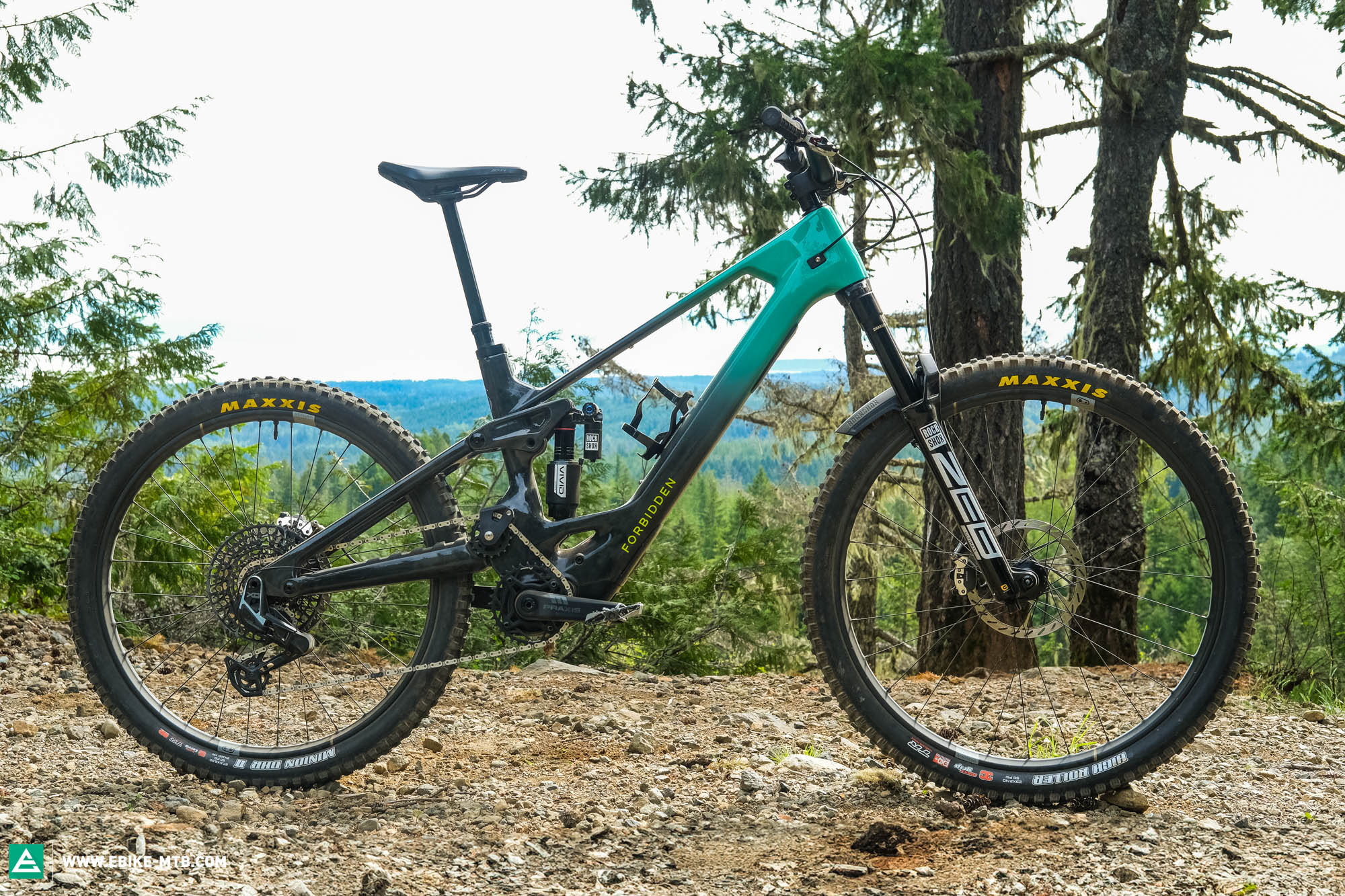
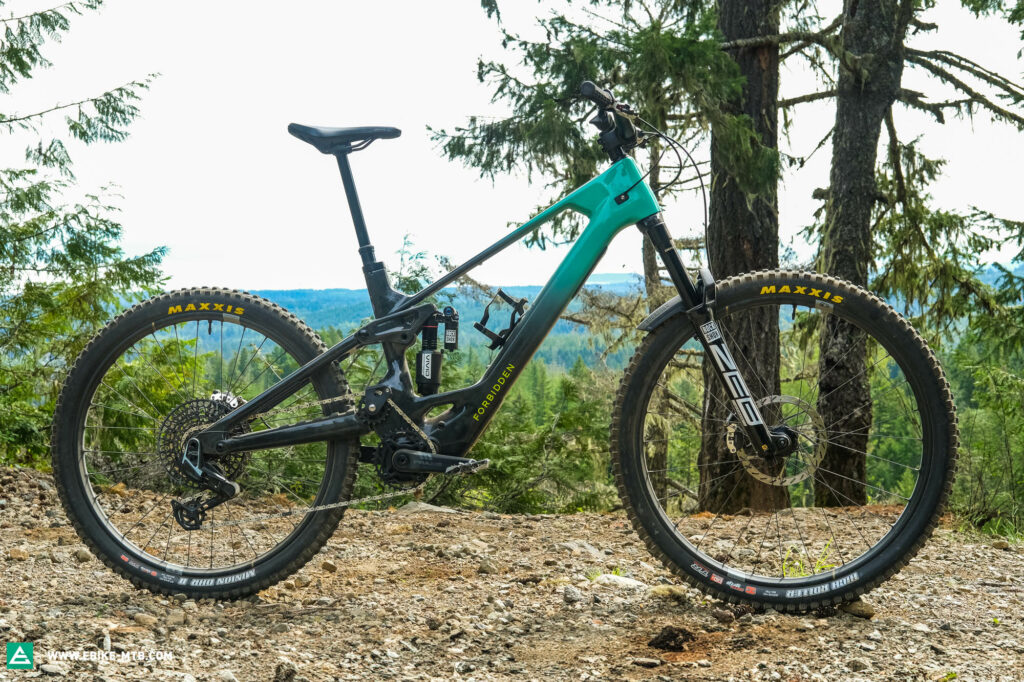
- Forbidden The Verge
- Unno The Verge
- Smartmotion The Verge
- Megamo The Verge+1
- Paprika 53 (reported with an e-gravel direction) The Verge
- Teewing The Verge+2MBR+2
- Crussis (publicly promoting Avinox-equipped model lineups) Crussis+1
Also worth noting: reporting suggests the Avinox ecosystem has expanded beyond the initial wave to “at least 16 brands” adopting it as of mid-2025. The Verge
What this means for shoppers: by the time 2026 model years fully land, you should see Avinox builds across boutique MTB brands + newer international players, often with aggressive spec-for-price positioning to gain market share quickly.
How Bosch is likely to respond (and what they’re already doing)
Bosch’s playbook is usually: refine the ride feel, expand the smart ecosystem, and lock in OEM/dealer trust.
Here’s what Bosch is visibly leaning into:
- Smart System + Flow app feature releases (battery planning / Range Control style features, sharing, premium software services, etc.) bosch-ebike.com+1
- ABS compatibility expansion (including Shimano brake compatibility in newer updates), making ABS easier to spec widely bosch-ebike.com
- new/updated hardware lines and system breadth (reports around new motors/batteries/features rolling out around Eurobike seasons) E-MOUNTAINBIKE Magazine+1
What to expect next: Bosch will likely keep pushing:
- smoother power delivery under load (technical climbing)
- quieter systems
- tighter integration across displays, batteries, and apps
- “total package” ownership benefits (service, parts, diagnostics, theft/security features)
How Yamaha is likely to keep up
Yamaha has a strong motor heritage and tends to compete with:
- compact packaging that helps frame designers
- natural-feeling assist
- steady reliability
For example, Yamaha positions the PW-X3 as a more compact, lighter drive unit compared with the prior generation, designed to give manufacturers more freedom in frame geometry and clearance. Yamaha Motor Global Site+1
What to expect next from Yamaha (market direction):
- more emphasis on integrated platforms (drive unit + battery + display ecosystems)
- continued motor refinement (size/weight, responsiveness)
- stronger OEM partnerships to appear in more “must-have” flagship builds (since Yamaha motors have sometimes been seen in fewer mainstream MTB models than Bosch)
What you should look for when buying your next e-MTB (DJI vs Bosch vs Yamaha)
Don’t shop by torque alone
Torque and peak watts are attention-grabbers, but your real-world experience comes down to:
- how controllable the power is on tech climbs
- heat management and sustained output
- battery efficiency
- dealer support + firmware updates
- how quiet the system is
2026 “sweet spot” checklist
If you want something future-proof, prioritize:
- a well-supported motor ecosystem (updates + service network)
- 600–800Wh battery options (depending on your terrain and riding time)
- modern geometry and good suspension kinematics (the motor shouldn’t dictate bad handling)
- a brand with clear aftersales support policies for electronics