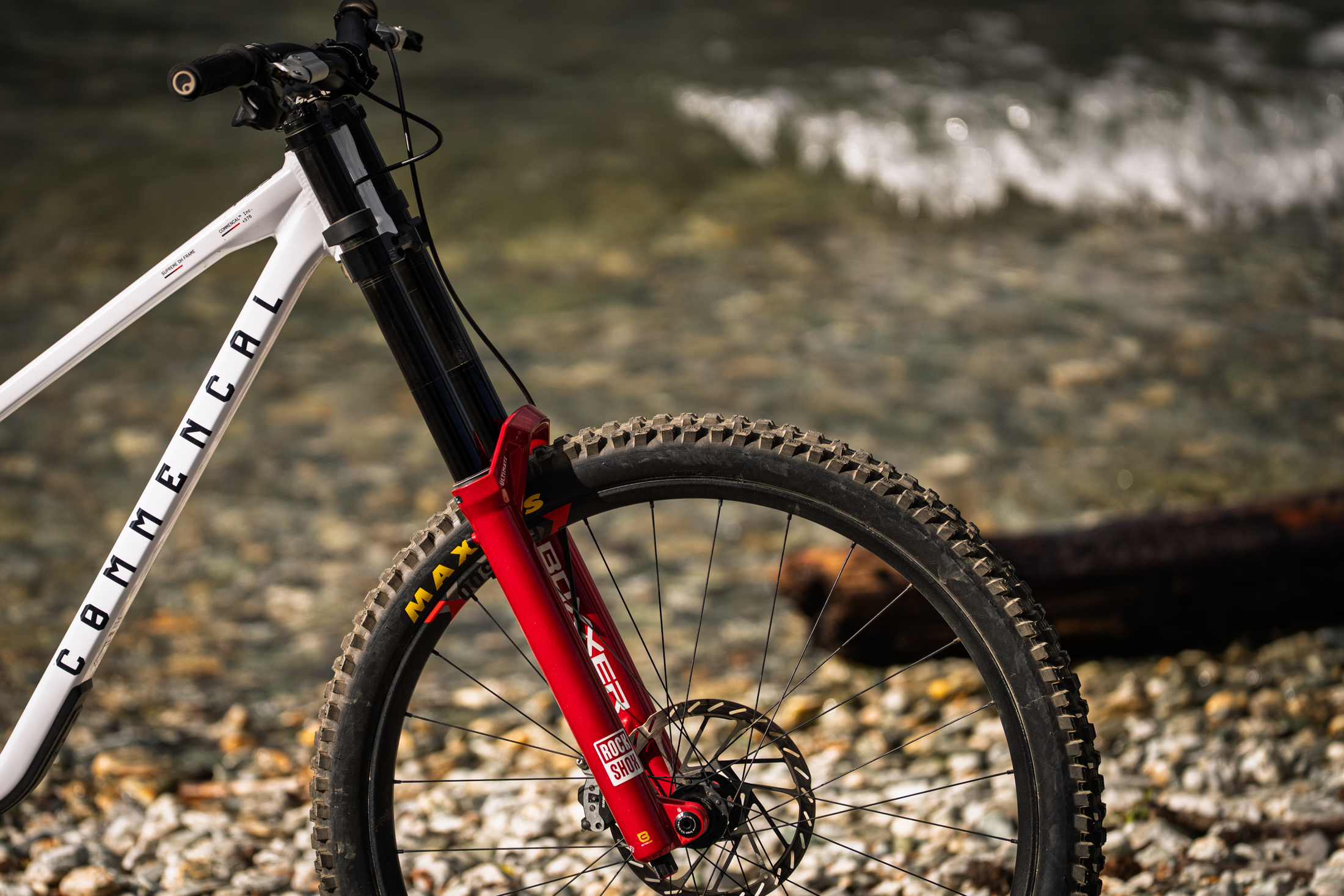
The RockShox BoXXer (2026) is the latest generation of RockShox’s flagship downhill fork, designed for World Cup racing and aggressive gravity riding. It features a 38 mm dual-crown chassis, the new Charger 3.2 damper, and the Linear XL air spring, all designed to improve composure, traction, and tuning for modern downhill tracks.
With travel options from 180 mm to 200 mm, support for 27.5″ and 29″ wheels, and advanced vibration-damping technologies like ButterCups, the latest BoXXer is built to handle the speed and rough terrain of modern downhill racing.
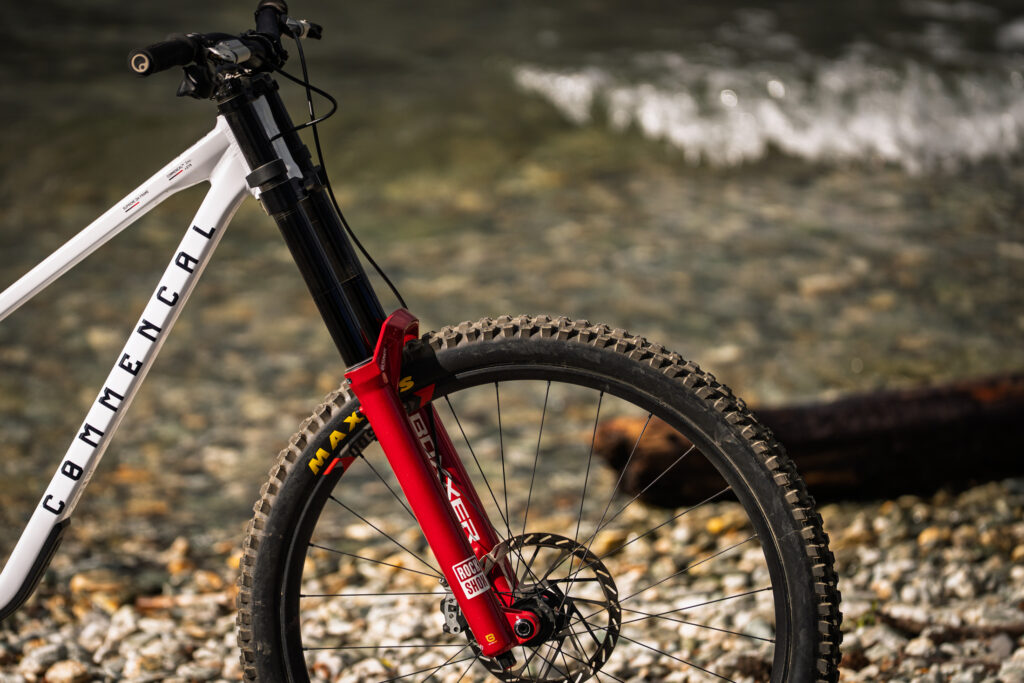
RockShox BoXXer Overview – A New Generation of Downhill Suspension
The BoXXer has always been one of the most recognizable forks in downhill mountain biking, but the newest version is more than just a refresh. RockShox redesigned the fork around a new suspension platform focused on improving ride composure and predictability at speed.
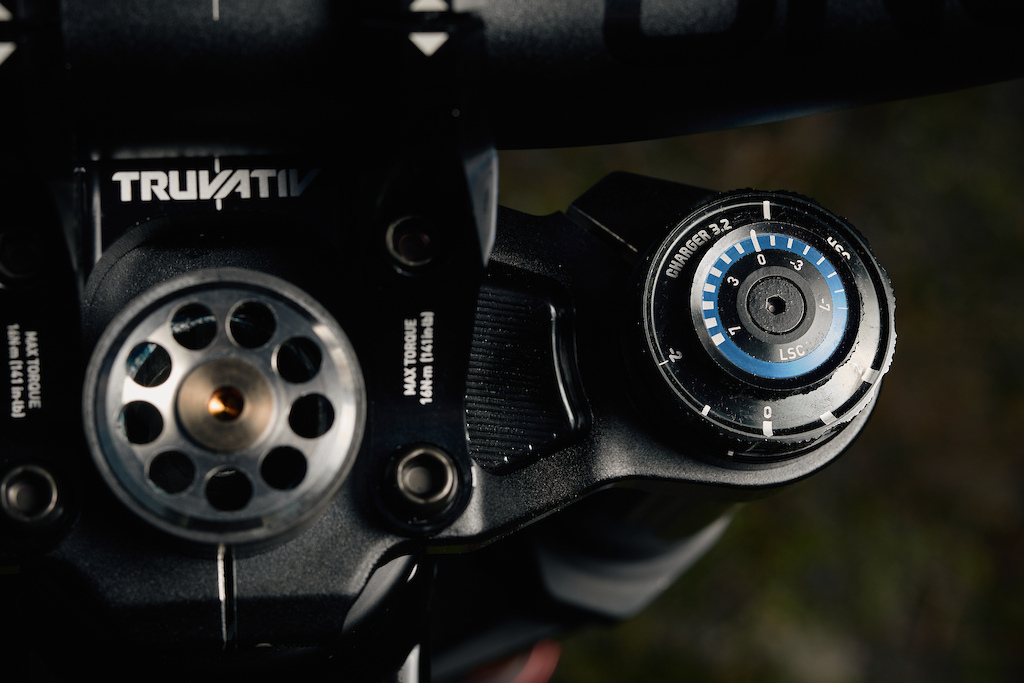
At the heart of the fork is the Charger 3.2 damper, RockShox’s latest gravity-focused damping system. The Ultimate version uses the Charger 3.2 RC2 damper, which provides fully independent high-speed and low-speed compression adjustments alongside rebound tuning. This gives riders a wide range of setup options, making it easier to tune the fork for different tracks, riding styles, and terrain conditions.
Paired with the damper is the Linear XL air spring, a new spring system designed to create a more linear and coil-like ride feel. The larger air chamber reduces unwanted progression at the end of the stroke, resulting in smoother performance through rough terrain while still offering strong support on bigger impacts.
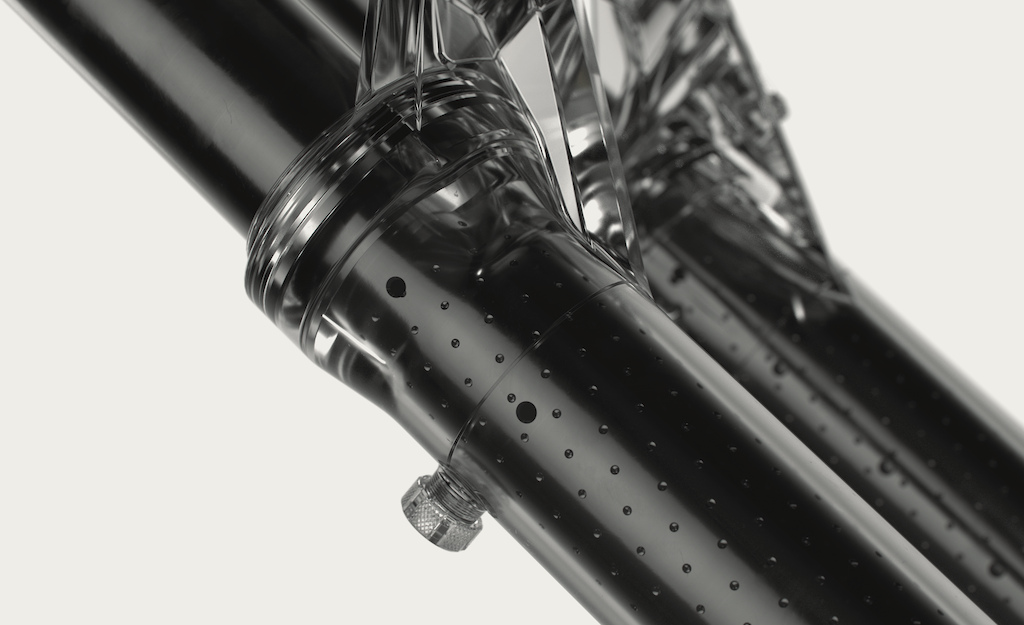
RockShox also added several technologies designed to improve comfort and reduce rider fatigue. ButterCups help filter out high-frequency trail vibrations before they reach the rider’s hands, improving control on rough tracks. Meanwhile, updated seals, Maxima oil, and improved lubrication systems help reduce friction and maintain consistent performance throughout long runs.
The fork itself uses a 38 mm stanchion chassis, providing increased stiffness and steering precision compared with older BoXXer models. This added stiffness improves front-end tracking when riding through rock gardens, braking bumps, and high-speed compressions.
The new BoXXer is available with 180 mm, 190 mm, or 200 mm of travel, and supports both 27.5-inch and 29-inch wheel sizes, making it compatible with the latest downhill race bikes and park builds.
Overall, the latest RockShox BoXXer is designed to deliver one key thing: composure at speed. By combining a stiffer chassis, a more predictable air spring, and a highly adjustable damper, RockShox has created a fork that is built for the fastest and roughest downhill tracks in the world.
RockShox BoXXer vs Fox 40 – Which Downhill Fork Is Better?
The RockShox BoXXer and Fox 40 are the two most popular downhill forks used in professional racing and bike-park riding. Both forks offer exceptional performance, but they take slightly different approaches to suspension design.
The new BoXXer focuses on predictability and composure, thanks to the Linear XL air spring and Charger 3.2 damper. This setup provides a very controlled and stable feel at speed, with a suspension curve designed to stay consistent throughout the travel.
The Fox 40, on the other hand, uses Fox’s GRIP X2 damper and a different air spring design that tends to feel slightly more progressive. Many riders describe the Fox 40 as offering excellent mid-stroke support and a very precise feel when pushing hard into corners or compressions.
In terms of stiffness and overall capability, both forks are extremely similar. The choice often comes down to personal preference in suspension feel and tuning style.
Riders who prefer a more linear, composed feel on rough tracks may gravitate toward the BoXXer, while riders who prefer a firmer, more supportive feel deeper in the travel may lean toward the Fox 40.
Final Thoughts
With the addition of the Charger 3.2 damper and Linear XL air spring, the newest RockShox BoXXer represents one of the biggest updates to the platform in years. The fork is designed to deliver better composure, improved vibration damping, and easier setup for downhill riders pushing the limits on modern tracks.
For riders building a downhill bike or upgrading their suspension, the new BoXXer remains one of the most advanced gravity forks available today.