Downhill race bike tested on steep, fast, and blown-out tracks
Quick answer:
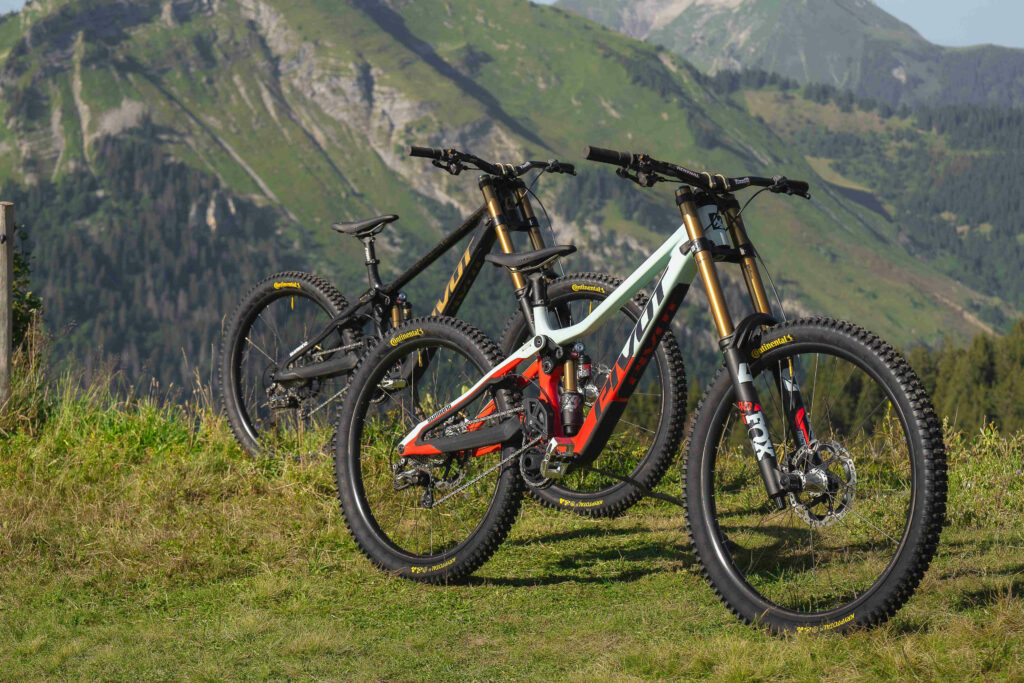
The 2026 Pivot Phoenix is a pure World-Cup-level downhill bike that prioritizes speed, stability, and composure over playfulness. It feels incredibly planted at race pace, absorbs braking bumps effortlessly, and rewards aggressive riding. Beginners may find it demanding, but racers and bike-park chargers will love it.
First Impressions — Built to Go Fast
The moment you swing a leg over the 2026 Phoenix, it doesn’t feel like a park bike… it feels like a race weapon.
Low front end, long wheelbase, and a very centered stance — the bike basically tells you:
“Stop cruising. Attack the trail.”
Compared to the previous Phoenix, the 2026 version feels:
- Lower in the corners
- More supportive mid-stroke
- Calmer under braking
- Faster when you commit
It doesn’t encourage messing around — it encourages precision.
Geometry & Fit (Why It Feels So Stable)
The Phoenix now follows the modern downhill trend: long reach + steep seat tube + adjustable geometry.
Key ride feel characteristics:
- Long front center = confidence at speed
- Short rear center options = corner exit grip
- Low BB = rails turns
- Steep effective seat angle = neutral climbing between stages
On steep tracks you don’t feel “over the back wheel” anymore.
Instead, you stay centered — which massively reduces arm pump.
Suspension Performance — Where the Bike Shines
Pivot’s DW-Link platform in downhill form is the defining feature.
Small Bumps
The bike erases chatter. Not soft — controlled.
Your hands stay calm even on braking bumps that normally destroy grip.
Mid-Stroke Support
This is the biggest upgrade.
You don’t sink into the bike — you push against it.
That means:
- Pumping generates speed
- Preloading jumps is predictable
- Corners feel carved, not vague
Big Hits
On big compressions the Phoenix doesn’t spike or wallow.
It just keeps tracking.
Best description:
It feels like the trail got smoother — not like the bike got softer.
Cornering — The Fastest Part of the Bike
This is honestly the strongest area.
The Phoenix corners like a race car:
- Lean angle feels unlimited
- Front tire never tucks
- Exit grip is ridiculous
It prefers high-load cornering rather than quick flicks.
If you ride casually → it feels stiff
If you push → it comes alive
Braking Performance
Many downhill bikes either:
- lock up under braking, or
- sit too deep in travel
The Phoenix does neither.
The rear end stays active while braking, so:
- You keep traction
- Lines stay predictable
- You can brake later
This alone makes it a faster bike on rough tracks.
Jumping & Playfulness
Let’s be honest:
This is not a jib bike.
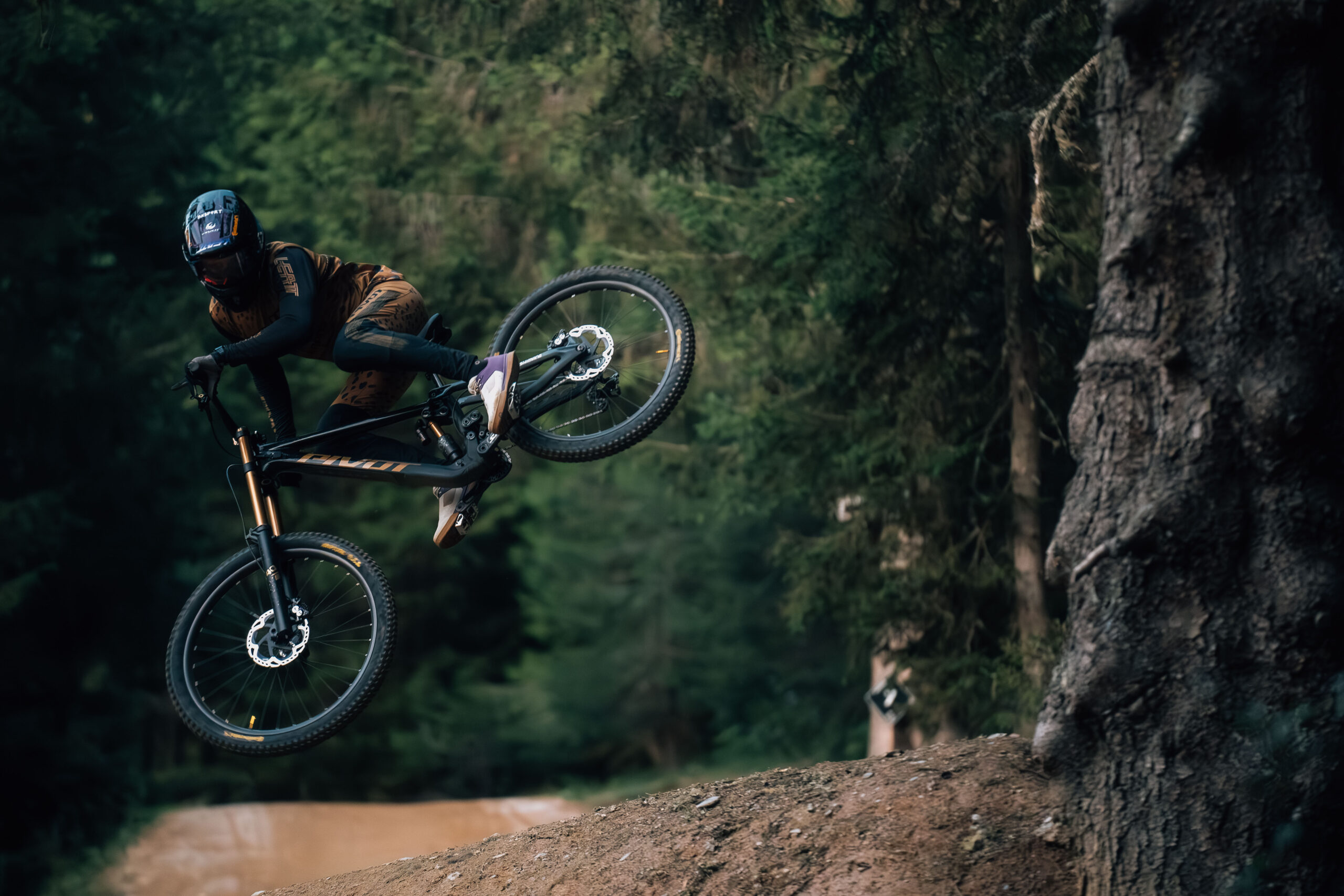
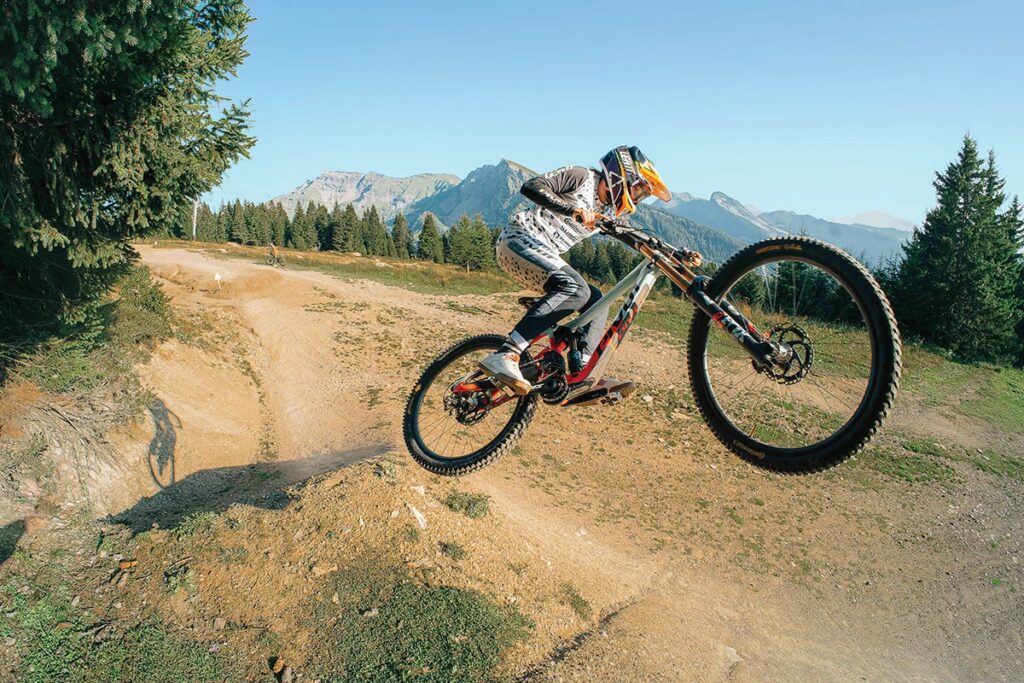
You can jump it — but it wants speed and commitment.
At low speeds it feels muted. At race pace it feels perfect.
So:
- Bike park flow riders → might find it dull
- Racers → will find it incredibly precise
Climbing / Traversing (Between Stages)
For a downhill bike, it pedals surprisingly well.
Thanks to DW-Link:
- Less bob
- Better seated efficiency
- Easier transfers
You won’t enjoy pedaling it — but you also won’t hate life doing it.
Setup Sensitivity (Important)
This bike is very setup dependent.
If suspension is wrong → feels harsh
If suspension is right → feels magical
Recommended Setup Approach
- Slightly higher sag than expected
- Add low-speed compression gradually
- Run slightly faster rebound than normal DH settings
- Spend time dialing tire pressure
The Phoenix rewards patience.
Who Is This Bike For?
Perfect For
- Downhill racers
- Advanced riders
- Steep natural terrain
- Rough tracks
- High speed bike parks
Not Ideal For
- Beginners
- Slow trail riding
- Jump lines
- Playful park laps
Pros & Cons
Pros
- Extremely stable at speed
- Incredible braking traction
- Amazing cornering grip
- Supportive suspension
- Race-ready geometry
Cons
- Demands aggressive riding
- Not playful
- Requires careful setup
- Overkill for casual riders
Compared to the Previous Phoenix
The new one feels less like a park bike and more like a timed-run machine.
Old Phoenix: forgiving and plush
2026 Phoenix: precise and fast
You lose a bit of comfort → gain a lot of speed.
Verdict
From a rider’s perspective, the 2026 Pivot Phoenix isn’t trying to be fun — it’s trying to be fast.
And it succeeds.
Once you ride it at race pace, most other downhill bikes feel vague.
It rewards commitment more than any bike I’ve ridden recently.
If you want a bike that makes steep tracks easier → buy something else.
If you want a bike that makes you faster → this is it.

Frequently Asked Questions
Is the 2026 Pivot Phoenix good for beginners?
No. It’s stable but demanding. Beginners benefit more from a forgiving, playful downhill bike.
Is the Pivot Phoenix a bike park bike?
It works in parks, but it’s designed for racing and rough terrain rather than jump lines and tricks.
What size rider suits the Phoenix?
The long geometry favors aggressive riders who ride centered and attack terrain rather than sit back.
Does DW-Link work for downhill?
Yes — it improves braking traction and mid-stroke support, making it excellent for race tracks.
Is it faster than the previous model?
Yes. It sacrifices comfort and playfulness for increased stability and speed.